Asian Food Is the Only Thing Saving Bay Area Malls
Malls all over the Bay Area – and down in Southern California too — have followed this same playbook. Stonestown Galleria on the west side of SF was the first place where I noticed it. While the retail apocalypse decimated other malls in the greater San Francisco region, from San Bruno’s ghost town Tanforan Mall to the COVID-crippled San Francisco Centre on Market Street, Stonestown has seen a resurgence.
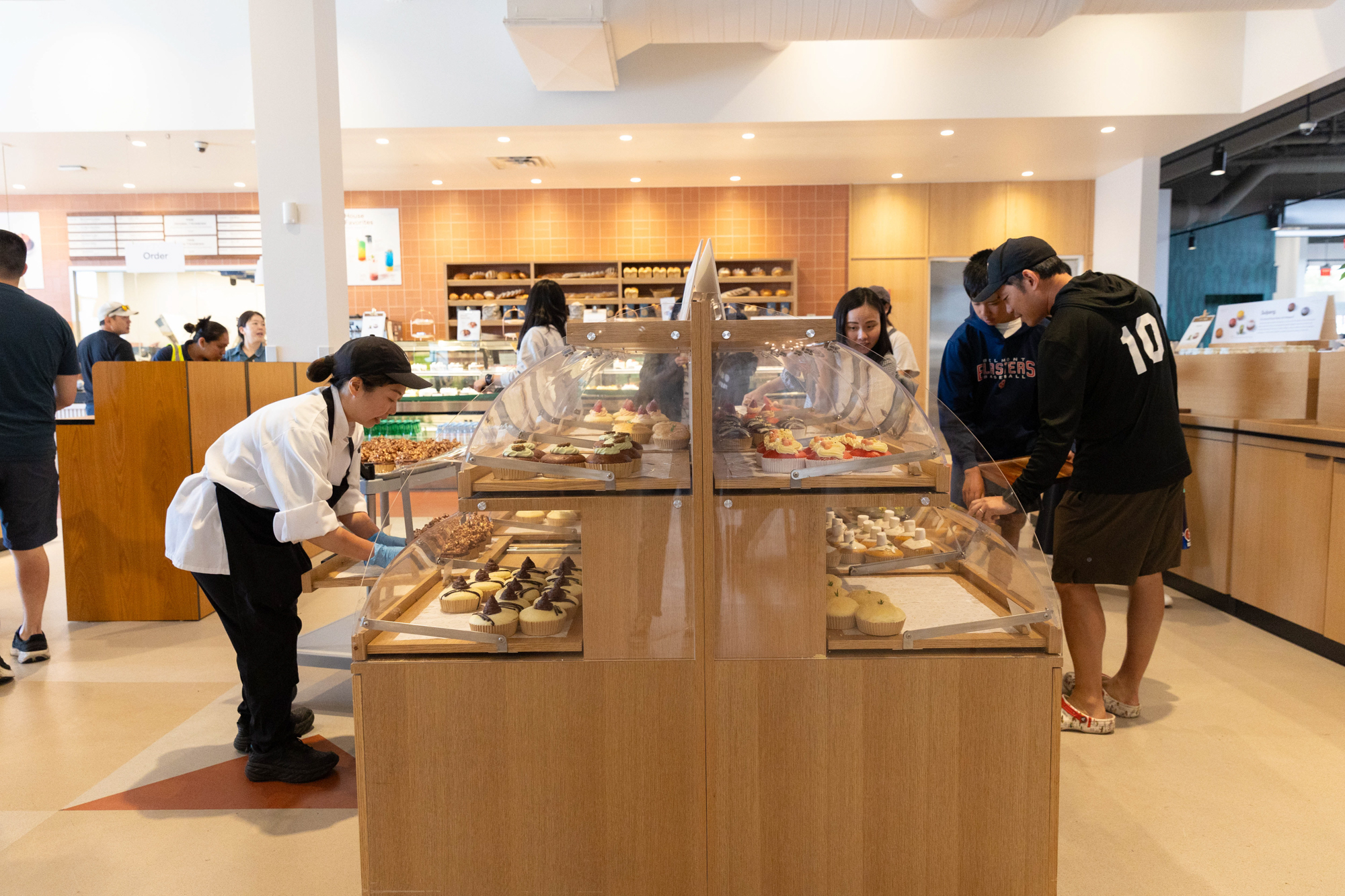
How did it do it? For starters, when the once-beloved Olive Garden and Chevys moved out, Stonestown didn’t replace them with other similarly generic chain restaurants. Instead, it began to welcome unique Asian specialty shops that served Japanese soufflé pancakes, fresh-made udon and Taiwanese fruit teas. It even added a revolving sushi bar, complete with robot servers, to warp you to Tokyo without the need for a passport. Not only did these new restaurants provide a draw, but the long lines and limited hours at places like Matcha Cafe Maiko gave an air of exclusivity that captured shoppers’ attention.
With Asian Americans composing a third of San Francisco’s population, and thanks to Stonestown’s prime location between the Sunset District and SF State, the pivot worked. And we’ve seen other malls follow the same formula: These days, San Jose’s Westfield Valley Fair — probably the most successful mall in the Bay Area — consists almost entirely of restaurants and retail shops geared toward Asian Americans.
When I was growing up, Daly City was mainly populated by middle-class Filipino families, who I can proudly say are part of a foodie-obsessed culture. Our geographical proximity to other Asian countries means we can eat Korean BBQ, Singaporean noodles and Vietnamese pho, and wash it down with Thai iced tea — all in the course of a day. Our craving for food is international, and there is no line too long or reservation system too complicated for us to not eventually dominate. So I’m betting that Serramonte Center leaning into its Filipino customers’ insatiable appetite will be the thing that finally makes us get off our couches to pay this old-school, once-forgotten mall another visit.
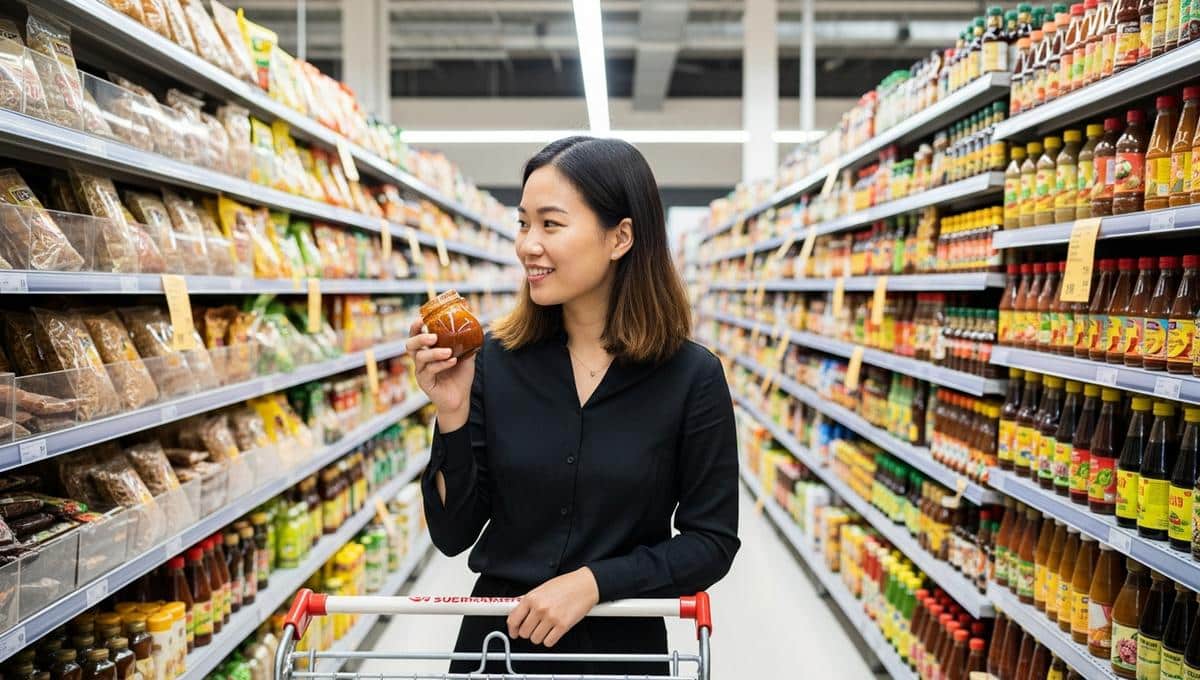
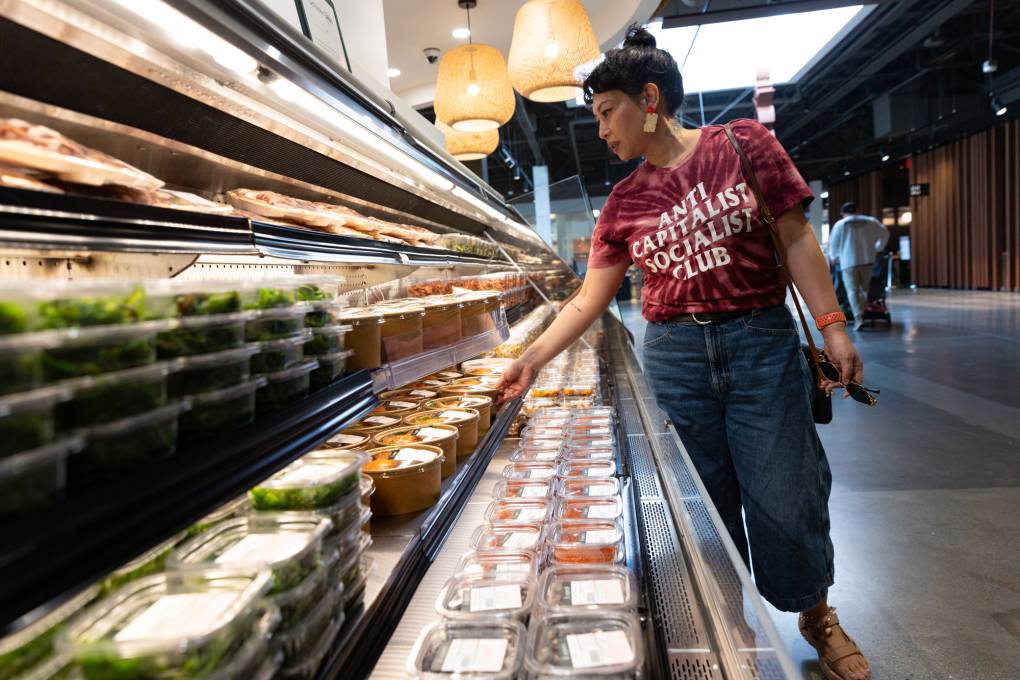
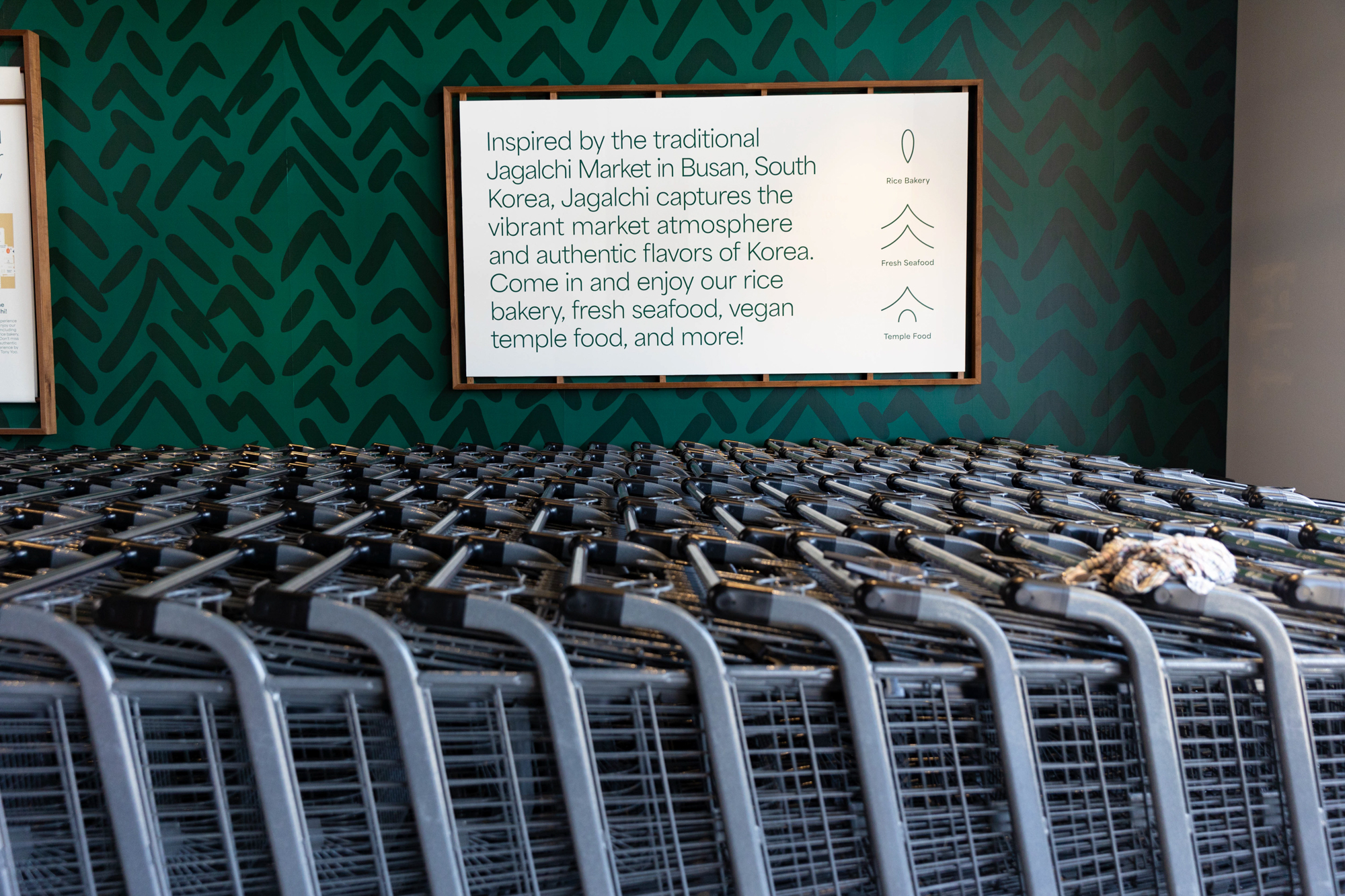
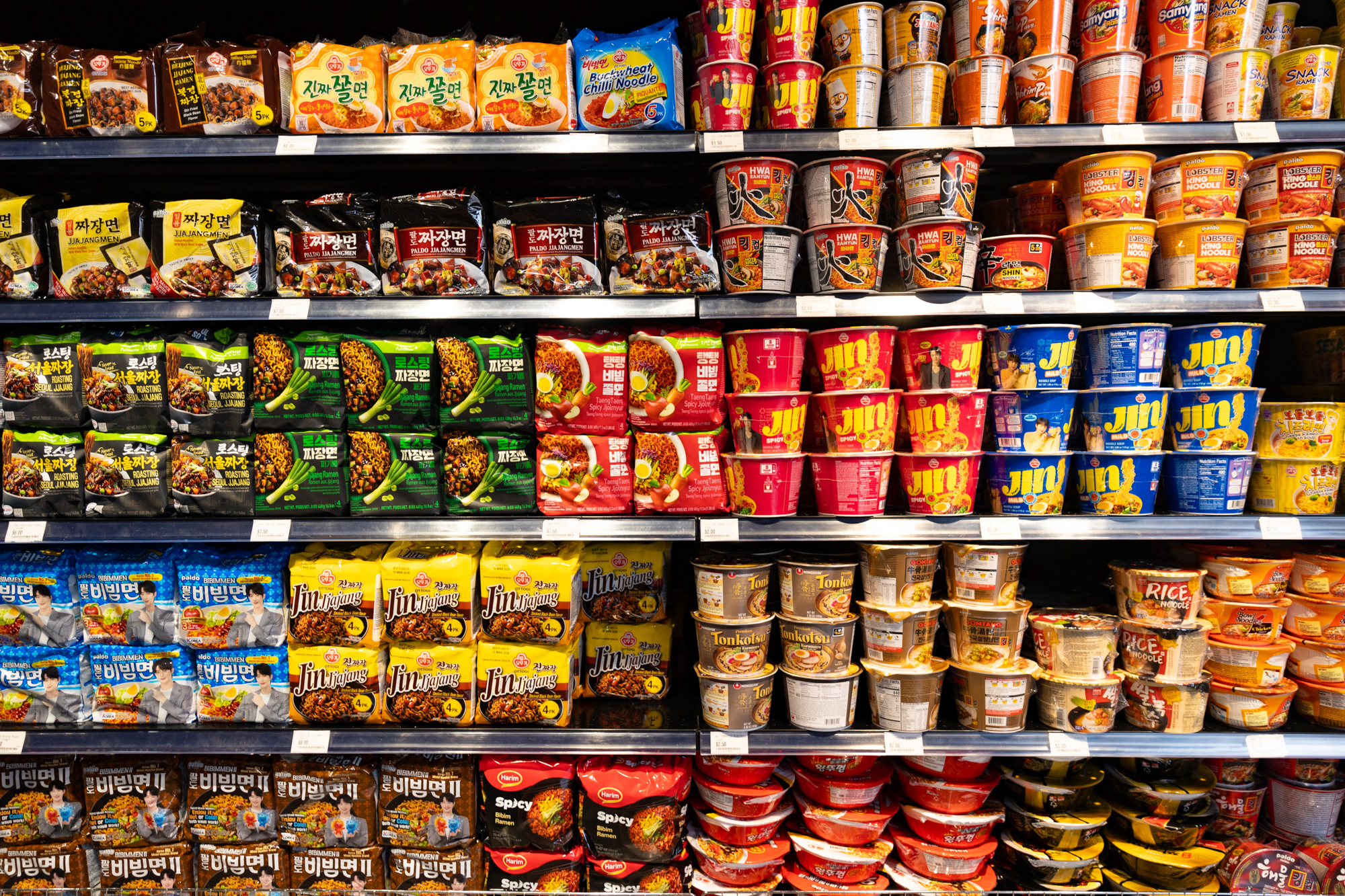
In March, I was invited to Jagalchi’s press preview and got to peruse the aisles sans shoppers, noting what might attract folks from all parts of the Peninsula to its mall location. Though there is no H-Mart-style food court, the supermarket does have a Michelin-pedigreed restaurant onsite and a deli section that offers plenty of samples to try. Each area of the supermarket was spacious, with entire sections dedicated to specialty products that would be relegated to the one “ethnic” aisle at your local Safeway. It wasn’t like Pacific Super on Alemany (RIP), with its cramped aisles and pervasive fishy smell — that was actually my comfort zone.
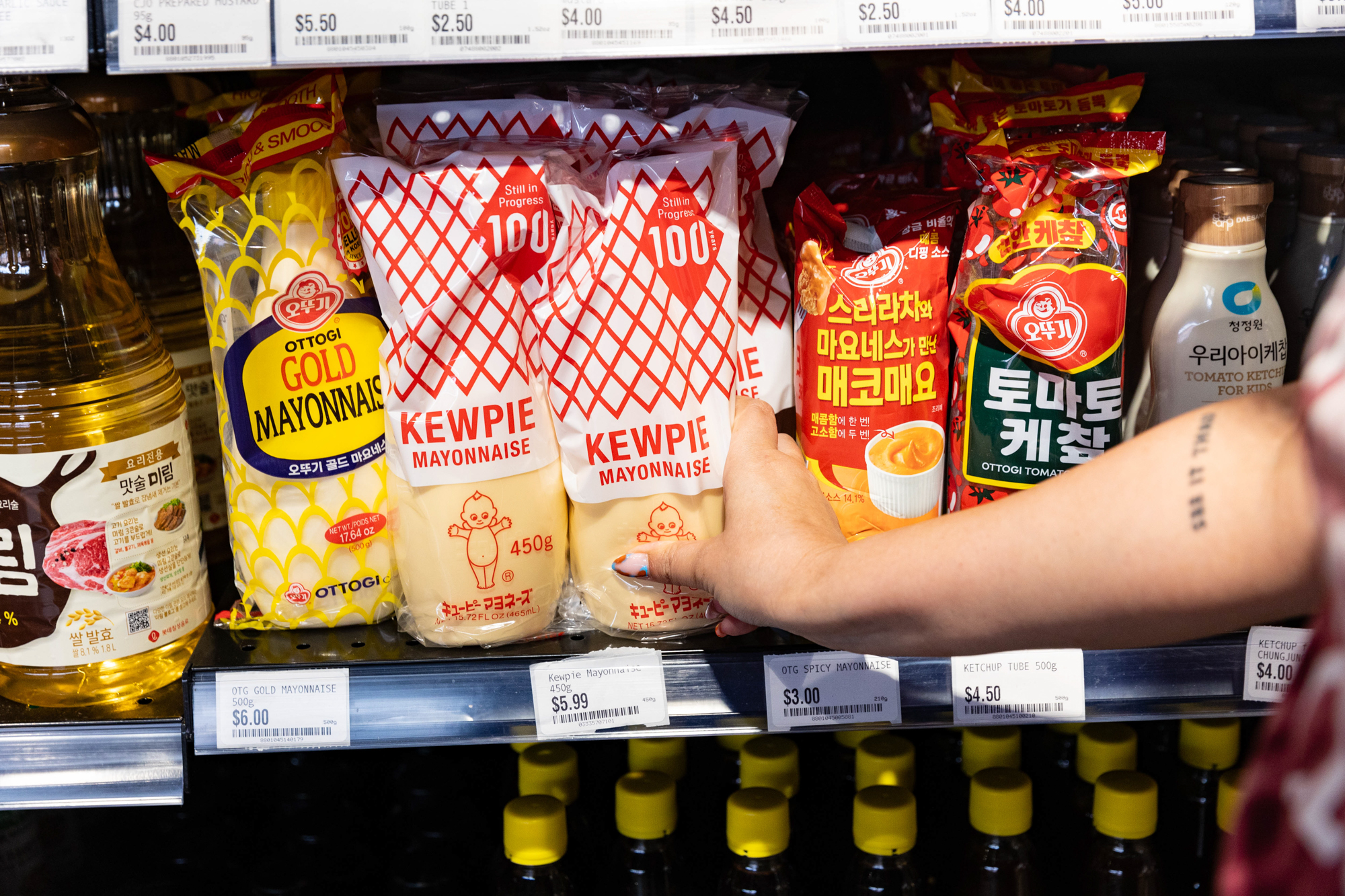
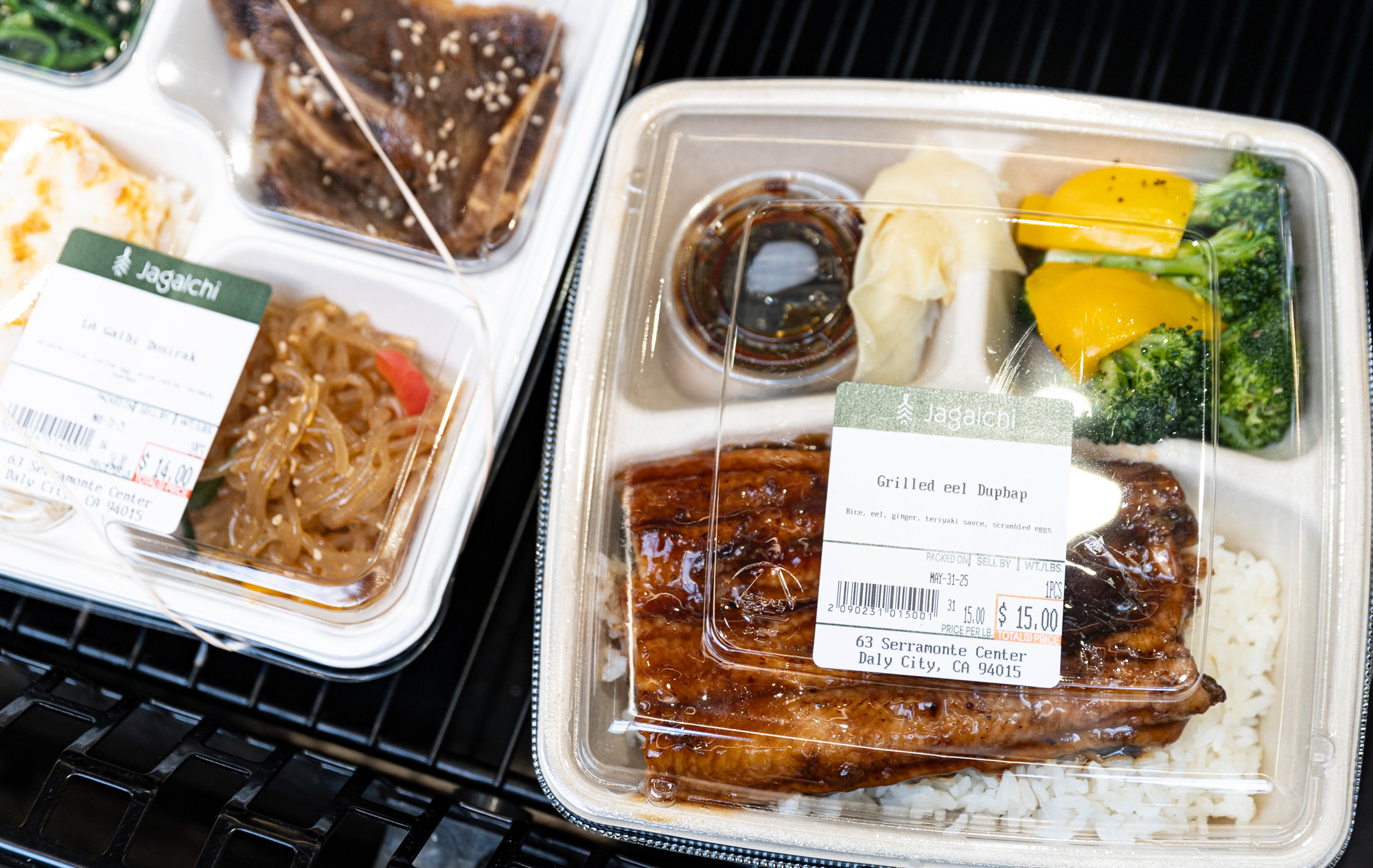
I stuffed my face with free kimbap and bulgogi samples like only an SF public school kid could. Meanwhile, the special press dinner at the sit-down restaurant, POGU, left much to be desired (it was all cold!). So I planned on coming back when Jagalchi was actually open to see how the rest of the mall fared in comparison.
link