


Published on
October 12, 2025


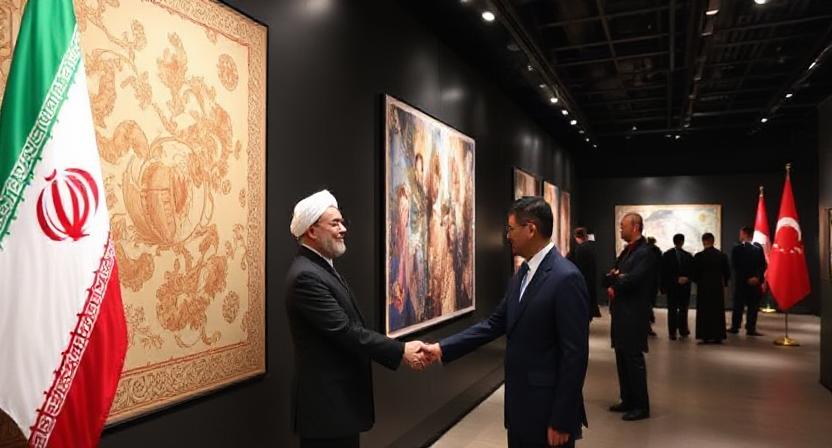
The Silk Gift exhibition, the name of which is “Armaghan-e Abrisham” in Persian, is a remarkable feat in cultural diplomacy between Iran and China. The Research Institute of Cultural Heritage and Tourism in cooperation with the National Museum of Iran has set up this exhibition. The exhibit presents a wonderful chance for people to discover common history and artistic exchanges of two of the earth’s oldest civilizations. With a selection of artifacts which have been drawn from the National Museum of Iran, Golestan Palace, Sheikh Safi al-Din Ardabili Complex, and Isfahan Museum of Decorative Arts, the exhibition uncovers centuries of commerce, cultural exchange, and cross-influence between ancient Persia and China.
Unveiling Cultural Connections Through Art and History
The Silk Gift exhibition invites visitors to journey through more than 1,000 years of cultural exchange between Iran and China. By showcasing a diverse collection of artifacts, the exhibition illustrates the historical depth of the Silk Road as a vital route not just for trade, but also for cultural and artistic exchange. The objects on display—ranging from textiles and ceramics to silk fabrics and jewelry—demonstrate the rich artistic traditions and shared heritage of both nations.
As Iran’s tourism sector continues to expand, the exhibition aims to attract tourists from around the world, especially Chinese visitors, to explore the cultural treasures that Macao and Iran have in common. Tourism and cultural exchange are increasingly recognized as tools to promote mutual understanding and respect between nations. Through exhibitions like Silk Gift, visitors can engage with the long-standing relationships between these two nations and their shared history along the Silk Road.
The Role of Art and Craft in Strengthening Bilateral Ties
An essential component of the Silk Gift exhibition is the inclusion of traditional crafts that highlight Iranian and Chinese artisanal techniques passed down through generations. Visitors will be able to experience live demonstrations of paper-cutting, woodblock printing, Cantonese embroidery, and the art of Chaozhou Gongfu tea. These hands-on activities invite participants to immerse themselves in the craftsmanship that has long been a cornerstone of both countries’ cultural identities.
In addition, the exhibition features interactive displays where attendees can try their hand at traditional Chinese crafts like calligraphy or painting, alongside Iranian crafts. These artistic showcases offer visitors a deeper understanding of the longstanding connections between the two nations and an appreciation for their shared traditions and cultural values.
Publications and Resources to Deepen Understanding of Iran-China Relations
As part of the exhibition’s opening, several important publications will be unveiled, providing further context and academic insight into the cultural relations between Iran and China. These include:
- A special issue dedicated to the historical relationship between Iran and China, focusing on how both civilizations influenced each other over centuries.
- The Parseh Archaeology Journal, which will publish research on Silk Road trade routes and the material culture of ancient Iran-China exchanges.
- The official exhibition catalog, which provides detailed descriptions and images of the artifacts on display, offering visitors a deeper understanding of the cultural and historical significance of each piece.
These publications will serve as invaluable resources for scholars, historians, and tourists alike, providing deeper insights into the Silk Road’s legacy and the enduring influence of Iran-China exchanges on the world’s cultural development.
The Role of Tourism in Iran-China Relations
The Silk Gift exhibition underscores the role of tourism as a key player in strengthening Iran-China relations. Tourism not only serves as a vehicle for economic growth but also provides an avenue for cultural exchange, allowing visitors to explore shared heritage and deepen their understanding of each other’s histories and cultures.
Macao, with its strategic position as a hub of Chinese culture, serves as the perfect gateway for these exchanges. The city’s commitment to promoting tourism and cultural experiences is evidenced by its ongoing efforts to host exhibitions like Silk Gift, which invite visitors to explore the richness of both Chinese and Iranian cultures.
As Iran seeks to promote cultural tourism and strengthen its international ties, the Silk Gift exhibition is a prime example of how cultural exchanges can help foster better international relations and enhance mutual respect for each other’s histories and cultures.
Macao’s Growing Role in Promoting Cultural Exchange
As the exhibition highlights the shared artistic and cultural traditions between China and Iran, Macao plays an important role in facilitating cultural diplomacy in China and with the broader international community. Known for its strategic location and cultural diversity, Macao is a hub for artistic exchange and cultural tourism, and it continues to serve as a cultural bridge between China and the world.
The city of Macao has long been recognized for its ability to connect cultures through art exhibitions, performance arts, and cultural events like the Silk Gift exhibition. The government of Macao and cultural institutions like the Macao Government Tourism Office (MGTO) are dedicated to promoting cultural heritage tourism, showcasing China’s diverse traditions while fostering a deeper understanding of global cultures.
Looking Ahead: Expanding the Silk Road of Cultural and Tourism Exchanges
Looking forward, the Silk Gift exhibition will serve as a catalyst for future cultural and tourism exchanges between Iran and China. With the success of this exhibition, collaborative initiatives in areas such as arts, tourism, and education will continue to grow. The Silk Road is not just a historic trade route; it’s also a modern pathway for cultural diplomacy, tourism development, and international cooperation.
Both China and Iran stand to gain immensely from future cross-cultural collaborations, ensuring that their rich histories and cultural contributions remain central to global dialogues.
A New Chapter in Iran-China Cultural and Tourism Relations
Armaghan-e Abrisham (Silk Gift) exhibition is a great chance to commemorate the rich cultural heritage that Iran and China share. Through artifacts, performances, and publications, the event not only unveils the heritage of the Silk Road but also creates the opportunity for increased cultural diplomacy and tourism exchanges between the two countries.


link