


Posey County facility one of two in Indiana given extension on hazardous air pollution rules compliance



What do Lee Zeldin’s EPA rollbacks mean for Americans?
Lee Zeldin announced the Environmental Protection agency would roll back regulations aimed fighting climate change and pollution.
- The EPA under President Donald Trump has rolled back several rules initially designed to protect the environment and people’s health.
- While these changes will impact the country as a whole, the effect here in Indiana could be particularly acute, environmentalists say.
- The changes apply to a number of industries, including automotive, power plants and coal and gas.
The Trump administration has steered the federal agency tasked with protecting human health and the environment in an unusual direction over the last 12 months: The Environmental Protection Agency has deregulated and delayed swaths of industrial rules designed to protect the environment and human health, reversed course on climate policy and axed much of its own research arm.
The effect on Indiana will be acute, environmental advocates say. Environmental advocates say they are concerned many of the EPA’s rollbacks will jeopardize the health of Hoosiers who live in a state that already has a precarious relationship with environmental health. Many of the state’s largest polluters such as coal plants, chemical factories and steel mills have received exemptions from the federal government this year.
In a 2025 U.S. News report, Indiana ranked last in the “natural environment” category, which ranks states based on air and water quality as well as pollution threats. The report cited the state’s nearly 3,000 pounds of industrial toxins per square mile — the national average is closer to 900.
The state also has an above average number of polluted waterways and more coal ash ponds — small, toxic water bodies near coal plants where poisonous refuse is discarded — than any other state.
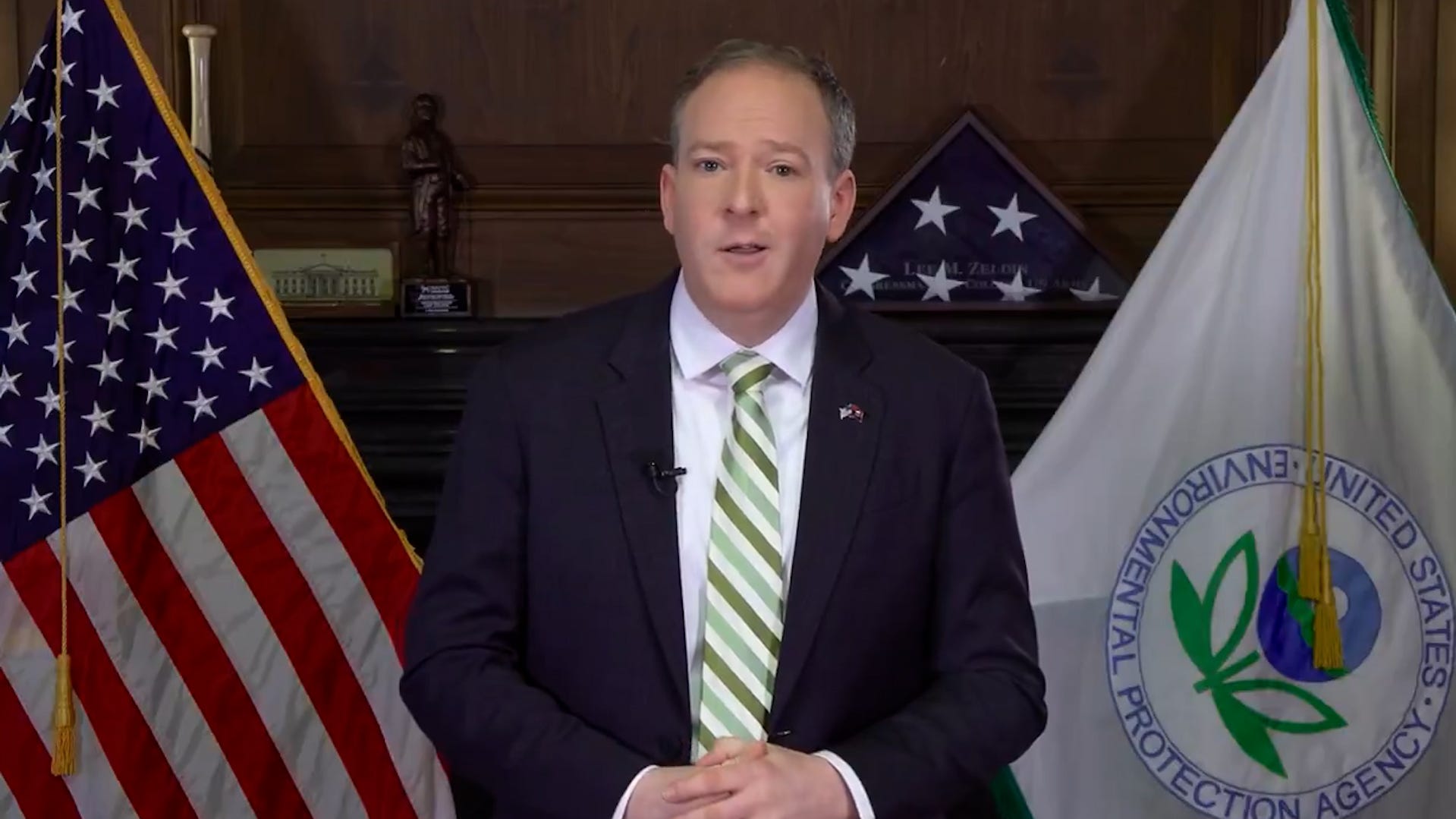
On March 12, 2025, EPA administrator Lee Zeldin announced the rollback of 31 different policies, calling regulations like those designed to regulate hazardous air pollutants “suffocating.”
“Today, the green new scam ends as the EPA does its part to usher in the golden age of American success,” Zeldin said in a press video. “President Trump has delivered on his promise to unleash energy dominance and lower the cost of living. We at EPA will do our part to power the great American comeback.”
Zeldin’s positioning the EPA to lower the cost of fossil fuel production and promote industry is a new look for the agency that has historically been tasked with protecting environmental health. And as the federal agency rolls back and deregulates one policy at a time, scientists say it’s difficult to get the complete picture of the impact on human and environmental health outcomes, making it trickier to fight back.
“The strategy is a death-by-a-thousand-cuts kind of approach,” said Gabriel Filippelli, a biochemist and the executive director of the Indiana University Environmental Resilience Institute.
By sawing off small policies here and big policies there, he said, the EPA is minimizing the appearance of the environmental regulation overhaul, but the intent is “actually a very, very concerted plan to eliminate all of them.”
Fighting such changes in court also becomes more difficult, he said.
“You can’t just have one lawsuit, you are actually having to fight against 20 different policy changes at the same time,” Filippelli said. “It just overwhelms the ability of the normal checks and balances.”
The EPA has the ability to repeal and amend its own regulations. It’s this process that local environmental advocates are worried about.
Here are some of the EPA’s changes from the last year that could have the greatest impact on Indiana.
Unraveling climate change policies
In late July, Zeldin and U.S. Department of Energy Secretary Chris Wright announced perhaps the most consequential of EPA rollbacks.
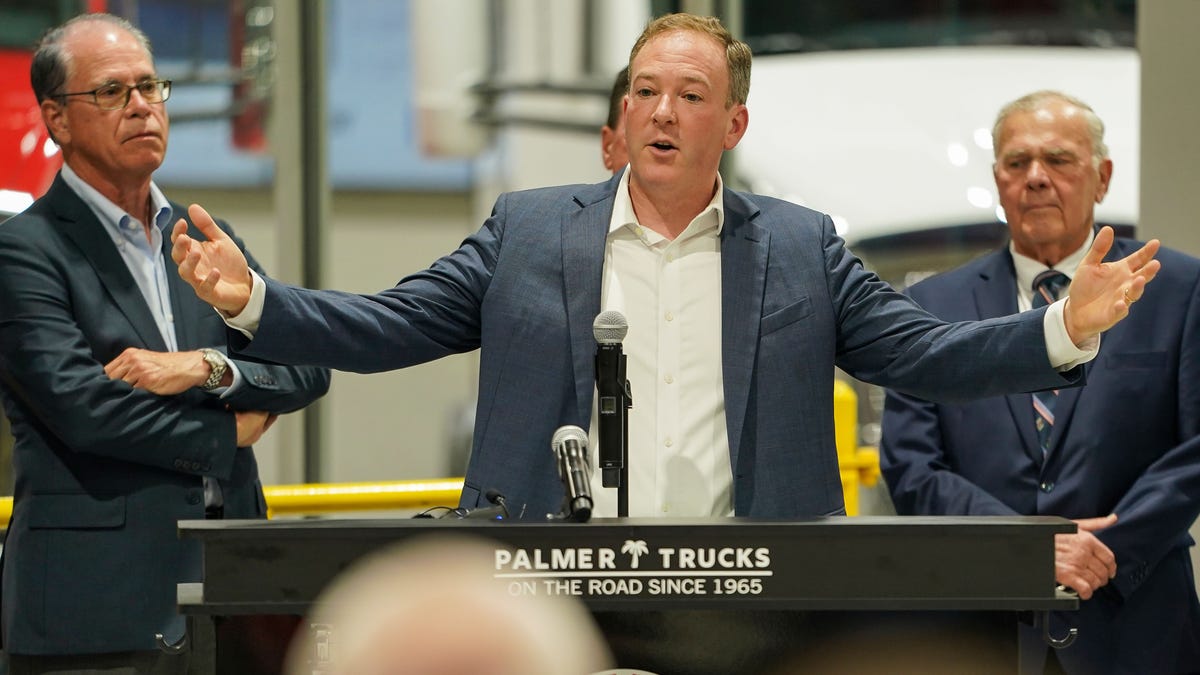
Speaking at an Indianapolis auto dealership alongside Gov. Mike Braun and Indiana Energy Secretary Suzanne Jaworowski, Zeldin said he intended to repeal air pollution guidance. This so-called “endangerment finding” has set the stage for greenhouse gas standards and regulations since 2009.
Zeldin said that if the finding successfully makes it through the agency’s repeal process and is revoked, it would “be the largest deregulatory action in the history of the United States.”
After a years-long legal battle ending at the Supreme Court, the endangerment finding gave the EPA the authority to manage six greenhouse gases as threats to human health. The finding led to several regulations on vehicles, power plants and the oil and gas industry — policies Zeldin said he would also like to undo.
Repealing this could exacerbate the negative effects of climate change, endanger public health and potentially slow the economy, local environmental advocates told IndyStar in July.
Rep. Sue Errington, D-Muncie, the ranking minority member of the House Environmental Affair Committee, said that summers in Indiana are already “hotter, longer and more dangerous than they were a decade ago.” Eliminating greenhouse gas standards, she added, will accelerate climate change and harm public health.
The EPA has also proposed eliminating the “burdensome” Greenhouse Gas Reporting Program, enacted in 2008. In a Sept. 12 news release, the agency said that clawing back the program would save American businesses up to $2.4 billion in regulatory costs.
The program requires more than 8,000 facilities and suppliers across the United States to record and submit their greenhouse gas emissions to the EPA each year. The EPA proposed to remove all of these requirements.
Janet McCabe, a former EPA deputy under President Joe Biden and current visiting professor at Indiana University, recognized it might not seem like eliminating a recording program would increase emissions. But, McCabe said, it actually does.
“Reporting programs are often the first step to people recognizing what they emit, how much they emit, and realizing that there are ways that they can emit less,” she said. “It’s very well in ingrained into how people do business, and it’s hugely helpful to the country understanding and the industries themselves understanding and the public understanding where we are in terms of emissions.”
Delays, delays, delays
The EPA under Biden worked to reduce pollution across the United States with a series of regulations, but over the past year Trump’s EPA has given companies more time to comply with those policies.
In some of these cases, McCabe said, it seems like the EPA is giving companies extensions to meet pollution standards because they plan to eventually rescind the Biden-era rules.
“He’s telling industry, ‘You don’t need to comply with this because we’re going to change it anyway,'” she said.
In Gary, Indiana, this delay means that residents living near the steel industry will continue to deal with dirty air.
In August the EPA issued interim final rules to delay complying with the previous administration’s pollution standards until 2027. Interim rules are typically used to address natural disasters or public health emergencies, not to provide industry with more time to comply.
The EPA issued a report saying the timeline the Biden Administration had set was too short and would cost too much for the industry.
The delay could have long-term health impacts, especially for young children who live near these polluters, Annie Fox, a law clerk with the Clean Air Council, told IndyStar in September. Clean Air Council is one of many environmental organizations suing the EPA over the interim rules.
The Biden EPA also updated a series of hazardous air pollution rules for multiple manufacturing sectors, giving facilities a deadline to meet compliance. In 2025, Trump issued a series of executive orders, giving these facilities “regulatory relief” by extending the deadlines in an effort to reduce U.S. dependence on “foreign control over materials critical to national resilience.” The targeted industries include energy, national defense, agriculture and health care.
Two Indiana facilities received extensions: the chemical manufacturing plant SABIC Innovative Plastics in Mount Vernon and Cook Medical’s medical equipment sterilization facility in Ellettsville. EPA previously listed both plants as high-risk to human health after considering the amount of chemicals released on site.
Cuts to EPA affect Indiana
In May President Donald Trump announced his intention to cut the EPA budget by 55%. Later that month Zeldin announced further agency budget reductions, totaling $300 million.
Zeldin said in a written statement in July that the cuts would save the U.S. $748.8 million and help the EPA become “responsible stewards of [American’s] hard-earned tax dollars.”
One $130 million program on the chopping block called Solar for All aimed to help nearly 7,000 low-income Hoosiers lower electric bills and reduce their homes’ reliance on fossil fuels for energy.
Indiana’s program director for Solar United Neighbor Zach Schalk called the cut a “huge gut punch” in an August IndyStar interview.
In a written statement Zeldin said spending money on programs such as Solar for All were like “throwing gold bars off the Titanic” and the EPA under him and Trump would not condone “frivolous spending in the name of ‘climate equity.’”
Hoosiers adapt to changing priorities
In November, the EPA announced plans to redefine “Waters of the United States”, which could leave Indiana’s dwindling wetland habitats with even fewer protections. The EPA is also greenlighting pesticides that contain chemicals environmental advocates worry contain PFAS, commonly known as “forever chemicals.” In addition, the agency is trying to loosen regulations that control heavy metal emissions, like mercury, from some coal and oil-fired electric plants, and has begun to remove the term climate change from certain webpages.
Filippelli said he’s concerned about the future of health and the environment in Indiana and the country oversall.
“We already have a lot of environmental burdens,” Filippelli said, referencing the state’s poor air quality and the high number of Superfund sites across the state. “All of that just leads us to be particularly vulnerable when they start relaxing some of these protections that have been very hard fought.”
Despite the federal government’s disinvestment in renewable energy and environmental protections this past year, Filippelli said he still hears from communities across Indiana who have an appetite for a clean, healthier future; many Hoosiers still want an electric vehicle or solar on their property. Funding is often the issue.
Filippelli said people are finding clever ways to navigate state level funding and local philanthropies will still finance some projects, but much of the Biden-era federal funding for such initiatives is gone.
“Certainly these transitions that people were hoping to see happen really quickly are much slower now, there’s no greenwashing that. We’re stepping backwards,” Filippelli said. “But community appetite is still there and we are committed to serving that appetite with good solutions.”
IndyStar’s environmental reporting is made possible through the generous support of the nonprofit Nina Mason Pulliam Charitable Trust.
Karl Schneider is an IndyStar environment reporter. You can reach him at karl.schneider@indystar.com. Follow him on BlueSky @karlstartswithk.bsky.social or X @karlstartswithk. Sophie Hartley is an IndyStar environment reporter. You can reach her at sophie.hartley@indystar.com or on X at @sophienhartley.
link