The New Wave in Asian Cuisine: Why Restaurants Should Embrace a Culinary Shift

It’s apropos that 2025 is the Year of the Snake in Chinese zodiac which traditionally symbolizes growth, creativity and flexibility. With the Chinese New Year just around the corner, the snake serves as a vibrant reminder for restaurants across the nation to elevate Asian cuisine to the forefront. Embracing the spirit of the snake, now is the perfect moment for culinary innovators to embrace and showcase the rich tapestry of Asian flavors and cuisine into their menus, making every dish a celebration of culture and creativity.
A Growing Market Demand
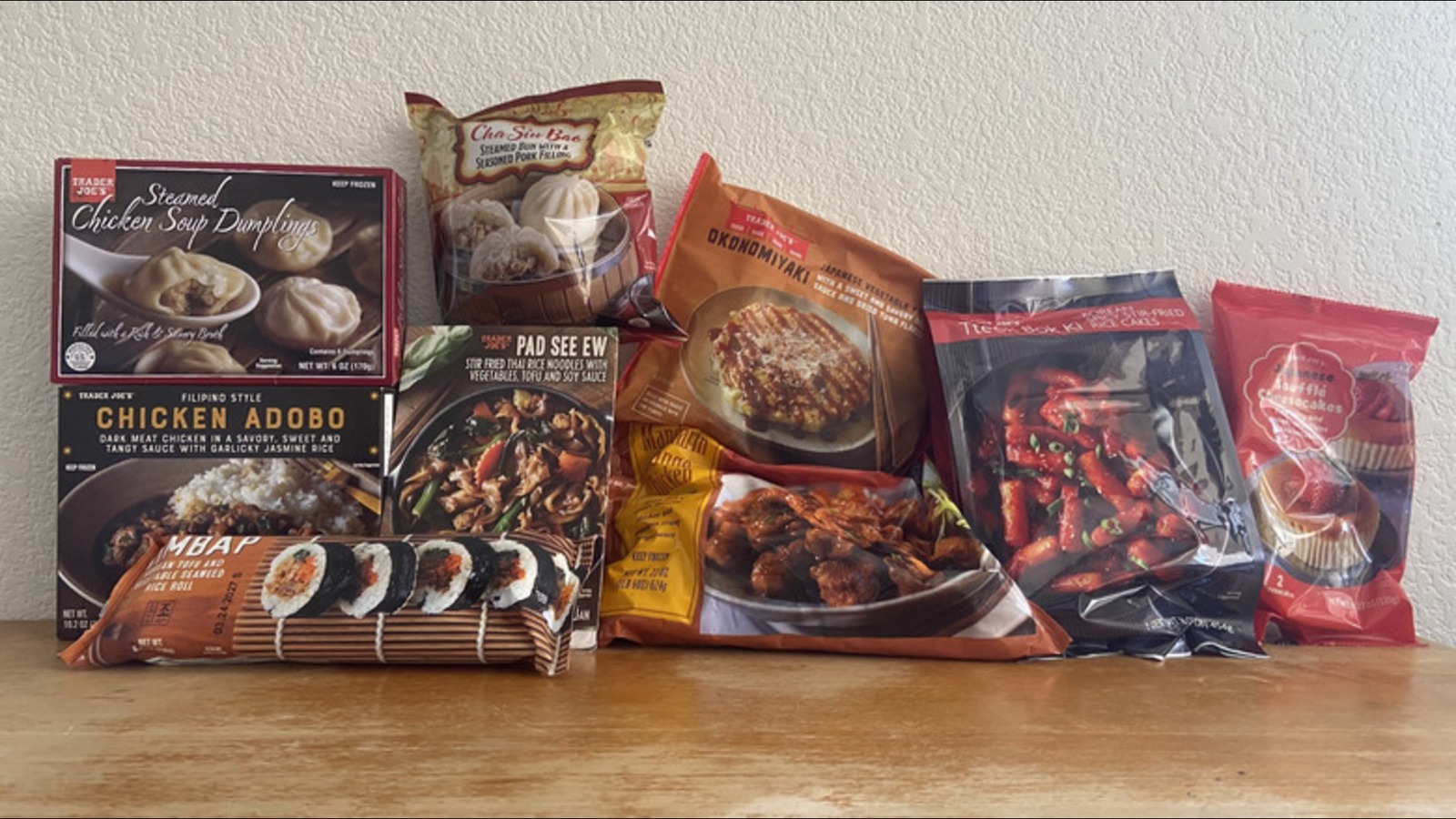
Asian cuisine is the simple way to sum up this specific style of food; however, it is also a broad term that encompasses many different cultures and styles. When you think Asian cuisine, your mind may go straight to your typical takeout Chinese restaurant on the corner or your favorite sushi shop in town, but there are so many more opportunities for restaurants to capitalize on the surging consumer demand for authentic, cultural and diverse options.
Asian cuisine includes so much more—from China, Japan, India, Thailand, Vietnam, South Korea, Malaysia, Indonesia and more. It brings together a wide variety of flavors, textures, and cooking techniques with unique spice combinations, an assortment of fresh ingredients, unique sauces, and recipes that can satisfy simple preferences or spicy pallets and most often using popular sources like seafood, noodles, rice, vegetables and accessible meat.
According to a market report from Kerry, a global leader in taste and nutrition solutions, global demand has grown significantly in recent years with the global Asian food market worth $154.8 billion in 2023 and projected to hit $268.9 billion by 2032, according to Market Research Future. Furthermore, the study shows “two in three consumers are open to trying global food,” which presents significant opportunities for restaurants to look to Asia for new additions to their menus. Similarly, a report from The Food Institute shows that in the United States, nearly 73 percent of all U.S. counties have at least one Asian restaurant of some kind.
A June 2024 New York Times article also cites that this growth in demand is not limited just to restaurants, as grocery sales of items in the “Asian/ethnic aisle” grew nearly four times more than overall sales, according to the data analytics company Circana, from April 2023 to April 2024—largely driven by specialty Asian grocers.
Fusion on the Rise
What’s important for restaurants to keep an eye on is the rise in fusion cuisines. Asian fusion style concepts, or a restaurant that offers a blend of different Asian foods (Korean-Japanese for example), are starting to take off , and I believe their growth will accelerate this coming year. With fusion and hybrid menus emerging across the country, blending diverse flavors and popular recipes from various backgrounds, flexibility becomes increasingly crucial. For restaurants to succeed with these new dishes, they must embrace experimentation, explore innovative combinations, and, importantly, listen to customer feedback on what works and what doesn’t. This adaptability, coupled with partnerships with reliable industry suppliers who can source authentic ingredients and flavors, is key to thriving in this dynamic culinary landscape.
Dishes like Korean BBQ Tacos (using marinated beef and kimchi), Sushi burritos (sushi rice, fish and veggies), ramen burgers (ramen noodle buns, burger patty), Asian-inspired fried chicken (soy, ginger, garlic) and bao sliders (steamed buns and pulled pork) are all examples of the kinds of dishes currently in demand with the growth of Asian cuisine in the United States. These dishes – and more like them – are becoming must haves for operators.
Start the New Year Right
In this year of the snake, famed for creativity and flexibility, restaurants should take the time to explore ways to add Asian food options to their menus. My advice: be creative, be fun and be flexible. There are endless combinations and ways to bring flavorful, fresh and authentic menu additions, built from every corner of Asia, to the U.S. market. Asian cuisine expands much further beyond just Chinese food and sushi, and the market segment will only continue to grow in line with exponential growth in consumer demand. Early adopters will undoubtedly recognize the value in seizing these opportunities. By the time the Year of the Horse gallops into 2026, you’ll be able to reflect on the immense value you created by harnessing the new possibilities introduced by the Year of the Snake.
Americans do not need to go all the way to China, Japan or any other desired region to experience the full breadth of authentic Asian food experiences. They are available right here at home, and restaurants can deliver this experience to them as long as they secure the necessary ingredients from a trustworthy supplier.
Felix Lin is the CEO and President of HF Foods Group Inc., a leading marketer and distributor of fresh produce, frozen and dry food, and non-food products to primarily Asian restaurants and other foodservice customers throughout the United States. Prior to his role as CEO, Mr. Lin also served as the company’s Chief Operating Officer and President as well as an Independent Board Member for the company.
link