




What do Lee Zeldin’s EPA rollbacks mean for Americans?
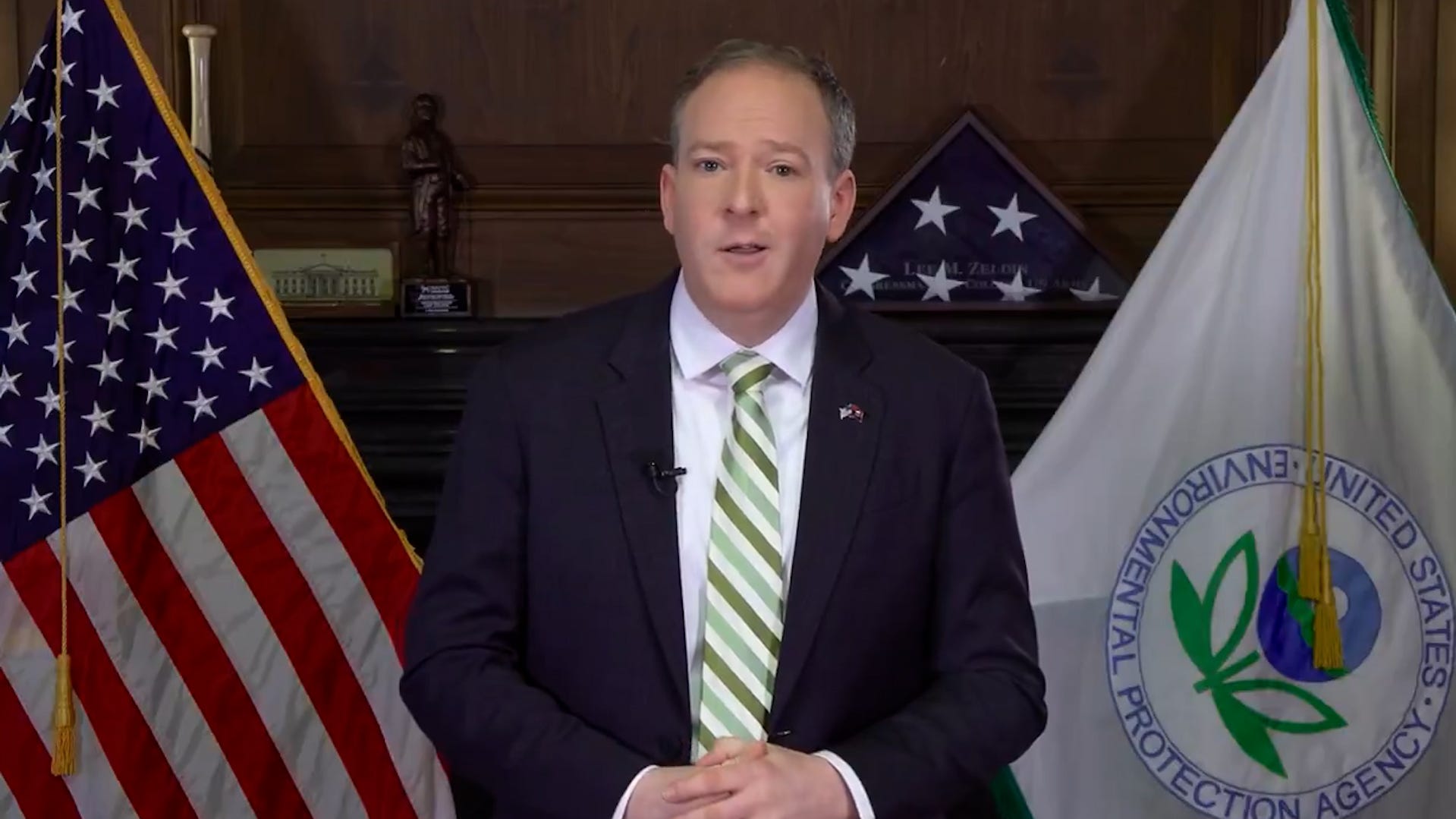
Lee Zeldin announced the Environmental Protection agency would roll back regulations aimed fighting climate change and pollution.
- President Trump has proposed a 55% cut to the U.S. EPA’s budget.
- EPA Administrator Lee Zeldin has proposed further cuts to his own agency.
- These cuts could create more pollution to Indiana’s air and water, advocates say.
The health of Hoosiers and Indiana’s environment may bear some of the costs of massive cuts the Trump administration is calling for at the U.S. EPA, according to a former agency official and local advocates.
Indiana already ranks dead last in a U.S. News and World Report ranking of state’s natural environment based examining air and water quality as well as overall pollution. The state also has some of the most polluted waterways in the country and the largest number of toxic coal ash ponds of any other state.
Advocates say the plans announced by President Donald Trump and EPA Administrator Lee Zeldin to slash the agency’s budget and staff could affect Indiana’s water and air quality, leading to poor public health outcomes such as more asthma attacks, lost workdays due to illness, and premature deaths while continuing the state’s legacy of environmental degradation from pollution.
Zeldin announced the agency would undergo a reorganization that includes cutting staffing levels to what he said were similar to when former President Ronald Reagan was in the White House. He also said he was reducing EPA’s annual budget by $300 million.
“We are driving a dagger straight into the heart of the climate change religion to drive down cost of living for American families, unleash American energy, bring auto jobs back to the U.S. and more,” Zeldin said in a recorded speech in March announcing his deregulation efforts.
Trump’s recent budget proposal calls for 55% cuts to the agency’s overall budget including nearly $2.5 billion from the Clean Water State Revolving Fund that provides low-cost financing to communities working on water quality projects. This comes after his administration clawed back billions in grant funding for environmental and climate change initiatives in February, resulting in Indiana potentially losing $100 million in federal assistance.
Former EPA official on Indiana’s future
Debra Shore, former administrator for EPA’s Region 5, which oversees Indiana and other Midwest states, told IndyStar cuts to staffing and funding would undermine the agency’s ability to respond to emergencies, weaken clean air and water enforcement and reduce monitoring for pollutants like PFAS and lead.
“That would be devastating and really eviscerate the people and programs currently serving Hoosiers and others,” Shore said.
The EPA in 2024 awarded and spent more than $63 billion across the U.S., but the agency only needs 35% of that total to accomplish its mission, the EPA press office said in a written statement to IndyStar.
“We will be exceptional stewards of taxpayer dollars with a laser focus on EPA’s core mission of protecting human health and the environment and Powering the Great American Comeback, which is anchored in providing clean air, land, and water for ALL Americans,” the statement says.
But Trump’s cuts to the EPA could result in Indiana losing out on another $130 million in grant money meant for safe drinking water, according to data from the Environmental Protection Network, an organization of former EPA staffers. The group also projects the cuts would slash 65% of EPA’s Region 5 workforce — about 700 employees — including from its enforcement, emergency response and drinking water programs.
These employees work directly with Hoosiers on environmental issues.
The full extent of the proposed cuts are still unknown, but whatever they are will also affect communities where some of this money would be headed. Shore, who helped oversee some of EPA’s work in Indiana when she was in office during the Biden presidency, said the federal money was a boon for Indiana communities.
“Those were direct injections into local economies, because the contractors doing that work were going to be hired locally,” Shore said. “Many of the goods and supplies that were going to be used were American made or even locally provided, and the workers live and work in those communities.”
Hoosier advocates react to EPA cuts
David Van Gilder, senior policy and legal director at Hoosier Environmental Council, said the Trump administration’s contention that every federal agency is rife with waste, abuse and fraud is a false premise. He added the idea the EPA could do the same heavy-lifting work with half of its people and resources doesn’t make sense.
“When it comes to federal or state agencies doing important work, there is a reason you have scientists and analysts focusing on one specific issue and know it up and down and backward and forward,” Van Gilder said. “When you get rid of those people you not only lose that one person, but that legacy expertise and institutional knowledge, too.”
Looking back at Indiana’s history, Van Gilder said the waterways used to be a horror show. The only reason they’ve been cleaned up in any fashion is because people in agencies like the EPA are doing the work to regulate industries that pollute.
“As much as we love the jobs they produce and the economic engine they have been for Indiana, they do not self-regulate,” Van Gilder said.
Had industry not been adhering to regulations, Shore said events like the Canadian wildfire smoke would be much worse for the health of Hoosiers as they would have been exposed to even more dangerous chemicals.
“If we hadn’t done such a good job of reducing emissions from steel mills and power plants, and so on,” Shore said, “people would have died.”
Cuts could worsen coal pollution
While Hoosiers may lose out on federal grant money and assistance from the EPA during disasters, coal could once again get a boost from lax regulations.
The Sierra Club put together an online dashboard to track the effects the Trump administration’s EPA cuts have related to coal pollution. The interactive map gives users any idea on how much pollution could be avoided if air and water rules are upheld.

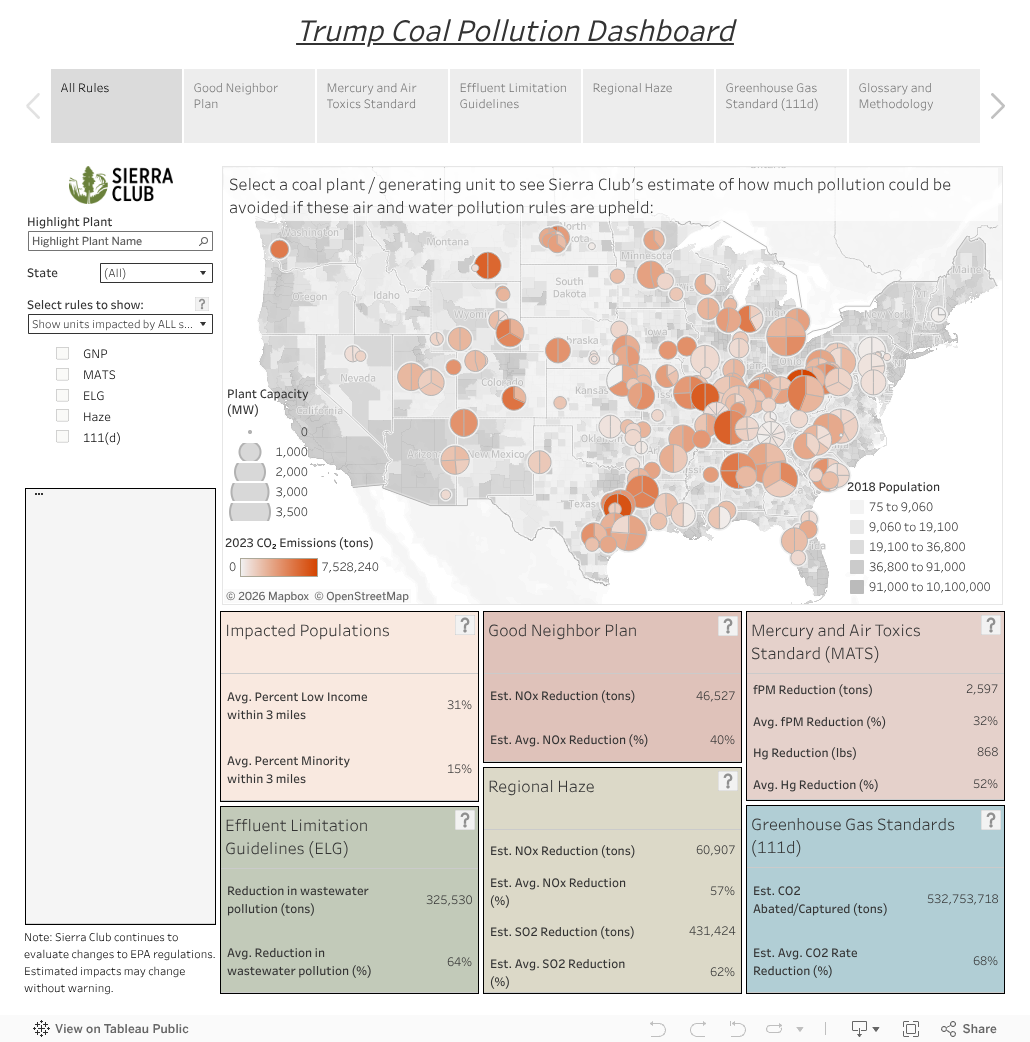
Rolling back rules like the agency’s Good Neighbor Plan, mercury and air standards and effluent limitations would leave Hoosiers exposed to dangerous pollutants, said Megan Andersson of the Hoosier Chapter of the Sierra Club.
“Without these rules being enforced there will be thousands and thousands of tons of extra air pollution, extra water pollution,” Anderson said. “That means more premature deaths for Hoosiers, more asthma attacks, more lost workdays due to illness, and so on.”
The EPA cuts could also lead to reduced oversight and monitoring of the harmful emissions from coal plants, Shore said. Opening the door for coal to regain some foothold in the energy world is a sort of attack on the clean energy sources that contributed to less pollution and healthier air, she said.
Tony Mendoza, senior attorney with Sierra Club, said all of these cuts and rollbacks undermine the ability of the federal government to regulate industry.
“The destruction of government capacity to regulate creates opportunities for the worst actors to get away with violating emissions standards,” Mendoza said.
IndyStar’s environmental reporting project is made possible through the generous support of the nonprofit Nina Mason Pulliam Charitable Trust.
Karl Schneider is an IndyStar environment reporter. You can reach him at karl.schneider@indystar.com. Follow him on BlueSky @karlstartswithk.bsky.social
link