A reflection on the meaning of environmental protection | Blog
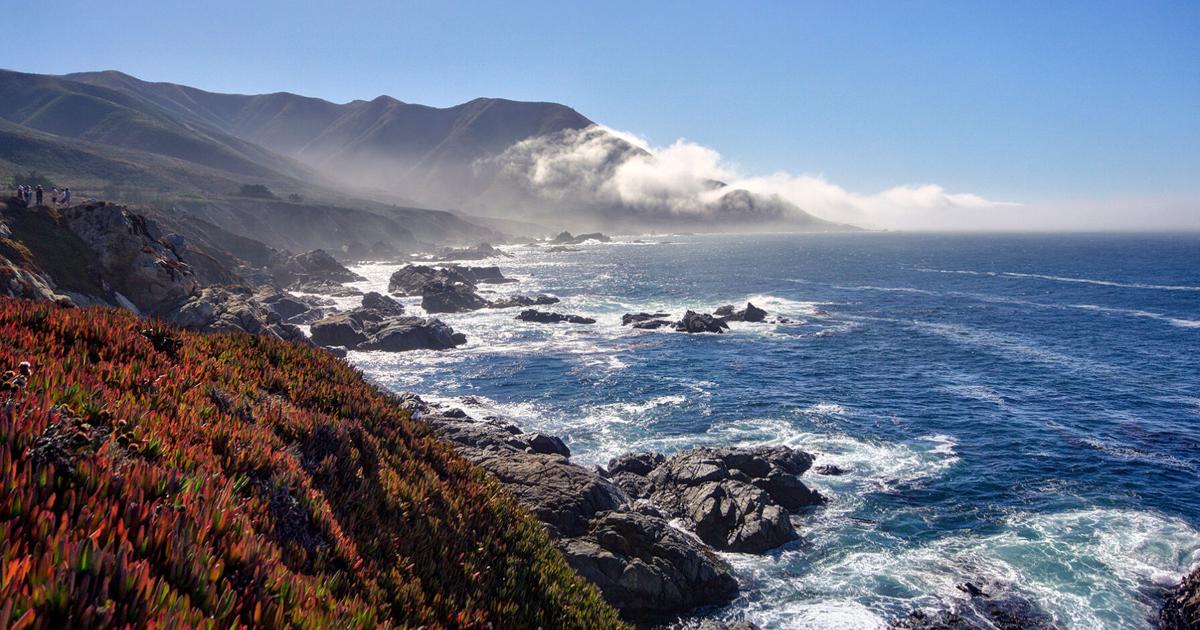
Every day, we are surrounded by the natural world. For those of us who live in or around natural environments, this may be obvious. For others, noticing the natural landscapes that surround us may take some searching.
As of last year, 55% of the world’s population live in urban areas. Living in such high density environments can make you lose sight of what the natural environment truly encompasses. The natural world begins to feel intangible, like a far-away idea that you may never get to experience in your lifetime.
This physical separation between the human and non-human worlds often leads to a disconnect between people and natural ecosystems. When we are constantly immersed in urbanized life, the only way we may get to experience the “wild” is through the media.
Thinking back to elementary school, I starkly remember one project from third grade where we researched a specific environment and the native species of that ecosystem. I remember choosing a rainforest ecosystem and learning all about the toucan — a bird native to South America known for its colorful beak. When choosing from the different environments to research, rainforests, oceans, mountains and the Arctic were the most popular amongst my classmates.
Looking back now, I find it interesting how so many of us gravitated towards choosing the environments we conventionally believed to be visually appealing. Without even realizing it, we were beginning to classify and rank ecosystems based on their physical appearance from a young age.
In society, often what is beautiful is associated with what is important. For many people, they may believe that protecting the environment means protecting the ecosystems most pleasing to the eye. Unfortunately, this conventional view discounts the fact that all ecosystems serve an important purpose to the functioning of this planet.
Rainforests, oceans and tundra ecosystems are extremely important to preserve, but so are grasslands, wetlands and chaparral. This simple project exposed me to the natural world, but eventually exposed me to this larger pattern among society.
We, as a society, are constantly classifying and putting things into boxes. We begin to view nature as a hierarchy. When deciding which environments need to be protected the most, how do we make that decision? If two environments both have beneficial ecosystem services, who gets to decide which environment is prioritized?
You may then ask, what even is environmental protection and who has decided that we as humans are the ones responsible for preserving the environment? Environmental protection is the practice of protecting the natural world as individuals, groups and governments.
This definition asserts environmental protection as a human-led initiative, giving those in power the ability to decide which areas to protect over others. The power we have in deciding the fate of the planet fuels the conventional narrative that we are dominant over all other living beings.
This western approach is largely born from the intensive extractivism of modernized life, where humans constantly take from nature without ever replenishing its resources. As we continue to extract resources faster than they can be replenished, we are further living an unsustainable lifestyle. We need to take responsibility for our actions in order to reverse the current state of climate catastrophe that we have pushed ourselves into.
To truly change the way we think about ourselves in relation to the natural world, we need to break down the narratives that prohibit us from living in tandem with nature. By replacing the idea that nature is an object of sole exploitation with the belief that we depend on nature’s survival for our own survival, we can reorient how people view the natural world.
link