AI And The Future Of Cultural Heritage: A Human-Centered Imperative

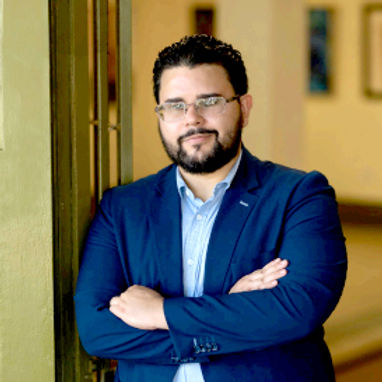
Sattie Persaud, award-winning founder of mywhcc.org, with a mission of empowering the world through Heritage, Culture & Diversity.
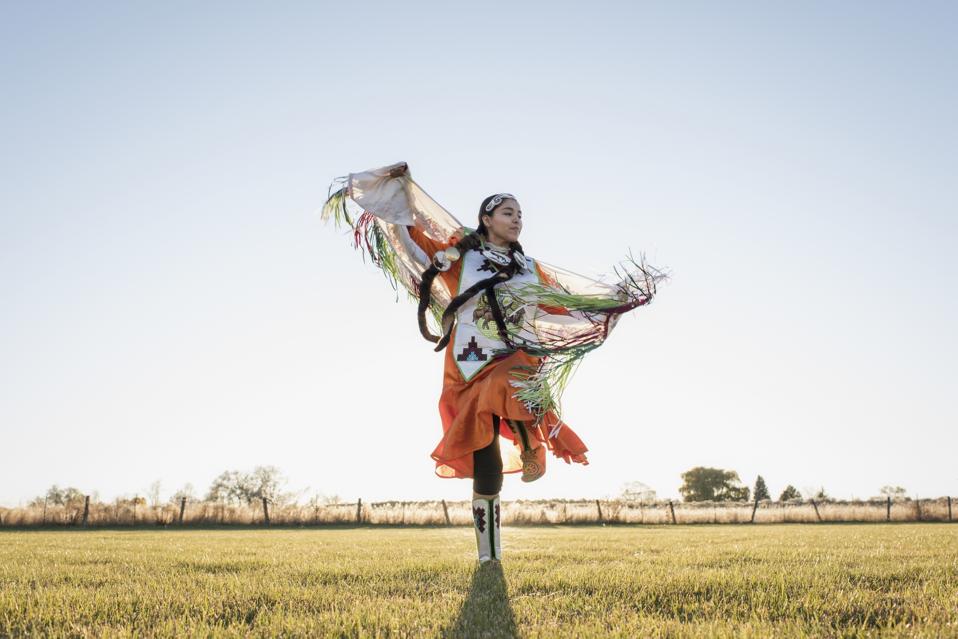
Cultural heritage is not simply a reflection of our past—it is the framework through which humanity understands itself today. From oral traditions and indigenous languages to historic architecture and culinary knowledge, heritage defines identity, strengthens communities and anchors continuity. Yet these cultural expressions face unprecedented threats from globalization, environmental shifts, war and neglect. In this context, artificial intelligence (AI) can emerge as a powerful ally—if implemented with equity, ethics and cultural consent.
As the founder of the World Heritage Cultural Center (WHCC), an organization representing over 850 cultures globally through performance, food and education, I have dedicated my life to the preservation and celebration of humanity’s shared story. With nearly two decades of work rooted in grassroots communities and global diplomacy, I now see AI not as a threat to tradition but as a bridge to its survival and relevance.
Preserving The Intangible
Intangible cultural heritage—including language, dance, spiritual practices, music and folklore—is inherently vulnerable due to its living and performative nature. AI technologies such as natural language processing, neural translation and voice cloning can help preserve these ephemeral forms. Projects leveraging AI to document endangered languages or digitize oral histories are already restoring visibility to communities long underrepresented in global discourse.
At WHCC, our digital archiving initiative uses AI-driven transcription and metadata analysis to capture community-submitted content. Artists, elders and youth are empowered to co-create searchable cultural libraries, preserving their legacies while passing knowledge forward. This is heritage made living, intelligent and accessible.
Protecting What Remains
Cultural heritage is also physical: temples, monuments, murals, textiles, manuscripts. In regions affected by conflict, natural disasters or climate degradation, these irreplaceable sites and items are in jeopardy. AI-enabled tools like drone imaging, satellite monitoring and pattern recognition can detect structural risks, track encroachment and even reconstruct sites digitally when physical restoration is impossible.
AI also plays a role in forensic heritage work, analyzing historical documents or artwork to detect forgery or restore lost features. These innovations don’t diminish human stewardship; they enhance our capacity to protect what remains.
Democratizing Access
AI can help dissolve the barriers that prevent people from engaging with their own or others’ cultures. Real-time translation, virtual reality exhibitions and adaptive learning tools can create cross-cultural empathy and knowledge at scale. A child in rural India may explore West African drumming through an AI-tutored platform; a student in the Bronx may tour Machu Picchu virtually while hearing stories from Quechua elders.
However, representation within these technologies must be intentional. AI must not flatten culture to aesthetics or exclude traditions from training datasets. A human-centered approach means the people behind the heritage must guide the narrative, ensuring dignity and authenticity.
The Role Of Cultural Institutions
The future of heritage preservation cannot rest solely on universities or governments. Civil society organizations have a crucial role in ensuring technology is used responsibly and inclusively. Our upcoming 13,000-square-foot cultural headquarters in Connecticut will serve as a model of AI-integrated heritage stewardship, featuring immersive learning, archival production and a sustainability program rooted in indigenous farming traditions. This center is not a museum of the past—it is a living, evolving space where AI serves culture, not the other way around.
A Human-Centered Ethos
AI must never replace the soul of culture. Instead, it should be a tool of empowerment, supporting communities in documenting, defending and disseminating their stories on their terms. Cultural heritage is not static—it evolves. AI, when led by the right hands and hearts, can support that evolution without erasing origins.
As we move forward, let us center the human spirit. Let us ensure that every innovation reinforces the values of peace, empathy and global belonging. AI is not the future of culture; humanity is. AI is simply the bridge—if we build it wisely.
Forbes Nonprofit Council is an invitation-only organization for chief executives in successful nonprofit organizations. Do I qualify?
link