Asian food writers reveal deeper stories through food
Through their books, blogs, columns and research, these influential Asian food writers reveal how cuisine shapes identity, preserves memory and tells powerful stories of culture and change
Across the region, authors and scholars are using cuisine as a lens through which to examine deeper questions of identity, memory, migration and power. These aren’t your average cookbook writers—think academic tomes, cultural biographies and ethnographic fieldwork, written as engaging essays or even memoirs that read like a good novel.
Whether they’re chronicling hawker heritage, decoding the symbolism of spicy peppers or reasserting national identity through rice bowls and rituals, these writers help us understand that food is never just about flavour. Here are some of the most influential non-fiction voices in Asian food writing today, and their landmark works that have reshaped how we think about what’s on our plate.
Don’t miss: The art of using every part: 6 traditional Asian ingredients that reduce food waste
Doreen Gamboa Fernandez (1934–2002) was a trailblazing scholar and cultural critic who became one of the Philippines’s most influential food writers. With a background in literature and history and a long teaching career at Ateneo de Manila University, Fernandez brought intellectual rigour and literary elegance to food writing. “When one describes food, one does not use words alone, but the readers’s remembering as well—of past pleasures, savoured sensations,” she wrote about the art. “One writes on and with the readers’s palates, alluding to food tasted as children, drawing on their reservoirs of pleasure. In effect, one draws on all of the culture that shaped oneself and one’s readers.”
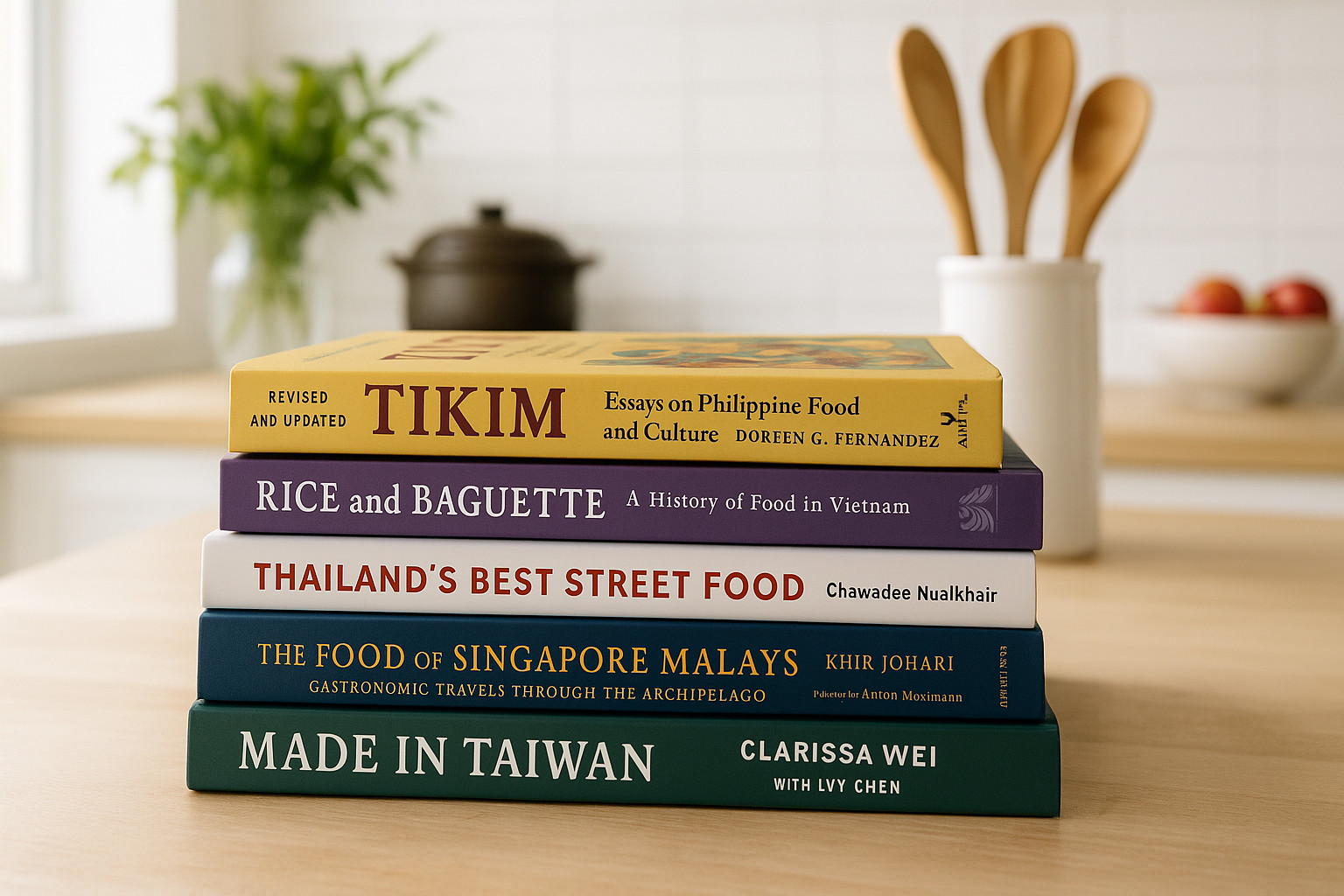
Through her widely read newspaper columns and books—including Sarap, Tikim, Kinilaw and Palayok—she explored how Filipino food evolved through centuries of colonisation, trade and cultural adaptation. Fernandez highlighted the significance of street vendors, home cooks and regional traditions, offering a comprehensive and inclusive narrative of the Filipino culinary experience.
In 2019, nearly two decades after Fernandez died, The New York Times ran a feature about her continuing influence, praising her style and noting that her books have inspired a new generation of writers and chefs both in the Philippines and abroad. The Doreen G Fernandez Food Writing Award, established in her memory, continues to inspire writers to document and celebrate Philippine food culture.
link