Conserving the natural world through sound

Featured photograph by Drew Fulton
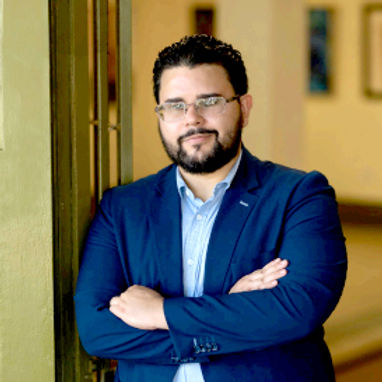
Growing up, National Geographic Explorer Ben Mirin knew several things about himself: he loved nature, he loved music and he wanted to combine his passions. However, the pressure to perform in a hypercompetitive academic environment combined with an attention-deficit/hyperactivity disorder (ADHD) diagnosis at age seven made science feel out of reach.
Undeterred, he got his start by becoming a wildlife sound recordist, packing his microphones and traveling around the globe to make music from sounds recorded in natural environments as a “wildlife DJ” that inspired conservation. His work gained traction after catching the attention of National Geographic Kids, where he was hired to host his own digital series Wild Beats, in which he mixed tracks using wildlife sounds from different ecosystems under the name “DJ Ecotone,” and receiving his first National Geographic Society grant to make music from wildlife recordings in the rainforests of Madagascar.

National Geographic Explorer Ben Mirin presenting at TED NYC.
Photograph by Ryan Lash for TED
“Learning how to combine my interests in nature and music was a process that was both meaningful and scary, and Nat Geo and the Explorer community were some of the first people on the scene when I took this leap of faith on what I love,” Mirin shares. “Getting validation from a place like this is really meaningful when you’re just starting out.”
With fresh wind in his sails, Mirin decided to journey back into the academic sphere to get his Ph.D. in ethnobiology from Cornell University, intimately exploring the Southeast Asian songbird trade and ultimately earning his doctorate in 2024.
Today, he’s laying the groundwork of the Creative Conservation Lab as its founding director, in support of the new Biodiversity Institute at Cornell University (BioICU). Mirin paints the vision: “We combine community-led storytelling, art and biodiversity research to make conservation more inclusive so more people can shape the future of our planet.”
CCL’s first project The Price of Beauty will continue Mirin’s Ph.D. work, focusing on the global songbird trade crisis and its role in the decline of bird biodiversity. Leading an expedition across Southeast Asia, he and his team will track down 49 species of songbirds such as leafbirds, shamas and laughingthrushes to record their voices where they still sing freely in the wild.
Across Southeast Asia, these birds face extinction from numerous threats including land-use change and habitat loss, and are now disappearing even faster to satiate demand for a multibillion-dollar caged-bird trade. It’s Mirin’s hope that recording their songs will aid in conservation and education efforts led by local and Indigenous storytellers, scientists and conservationists.
He still remembers the sudden burst of emotion he felt upon hearing traded birds singing in their natural habitats in Indonesia, years ago.

Photograph by Derek Rowe for Hello Ocean
“I’ve been listening to [birdsong] my whole life, but after years of staring at these birds in cages, I needed a break. I went out with my microphones and started recording the same species I had seen in markets where they sing in the wild, and it was like hearing birdsong for the first time. These songs weren’t possessions anymore, they were gifts.”
Through the years, Mirin’s love for audio recording has evolved from his own creative expression to an appreciation for the sound itself. He says, “Recording sound around the world is now my favorite thing to do. It’s an essential conservation resource that can help birds re-learn their native songs, restore nature’s symphonies, and repair our sense of place in a changing world. Sounds evolve over millions of years, and yet are gone in an instant. Every moment we listen to is a once in a lifetime opportunity.”

As part of his second project funded by the National Geographic Society, Mirin produced the natural sounds album, MADA. Featuring contributions from artists in Madagascar and the United States, MADA was released during the Covid-19 pandemic to raise money for Malagasy musicians to continue making music when the world shut down.
Learn more about the album at
Learn more about the team’s project at https://benmirin.com/remixingmadagascar.
Mirin hopes what he’s attempting to do with the Creative Conservation Lab and his auditory method of conservation science will not only galvanize the public into paying attention to the planet and its biodiversity, but also forge a path for those with varied perspectives to get into science and conservation like he did.
“I want to be the little wedge that keeps the door open. Our goal is to let the world know, no matter what your gifts are, you are welcome here. Because at a time when we need all hands on deck to protect this world that we love, we cannot afford to waste talent.”
______________________________
ABOUT THE WRITER
Melissa Zhu is a former Content Strategy Coordinator for the National Geographic Society with a love for language’s ability to articulate the fullness of human experience. When she’s not focused on advancing the nonprofit mission of the Society, you might find her immersed in a good book.
link