Demand for Asian Food Helps Fuel Teriyaki Madness in Central America | International Franchising
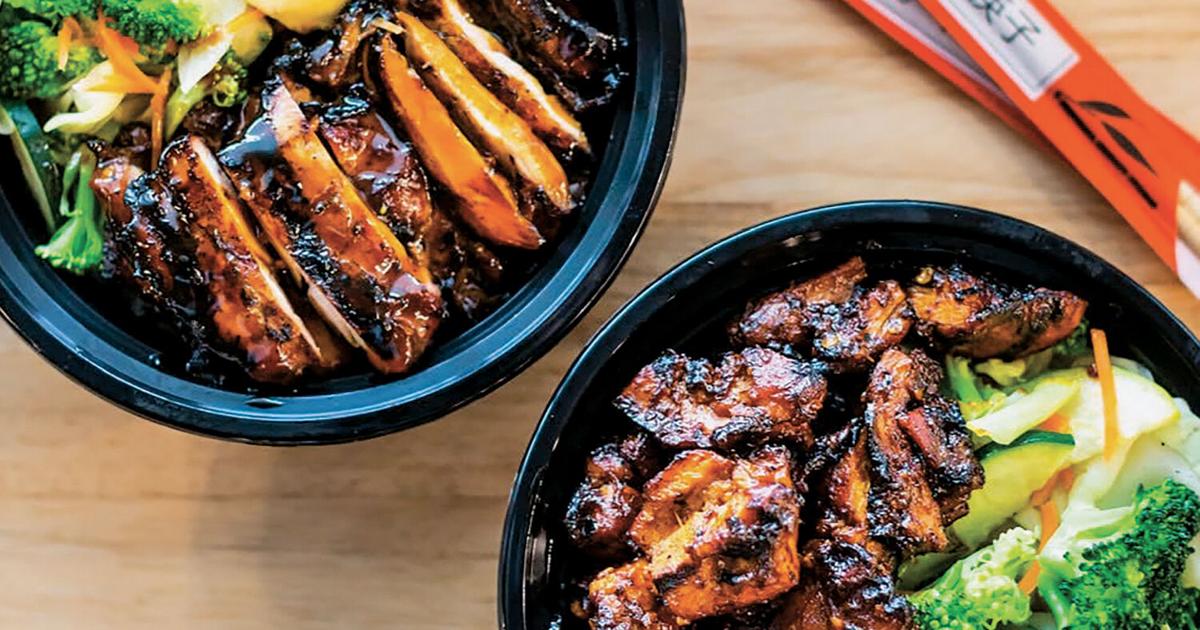

Teriyaki Madness touts its made-to-order, Asian-influenced rice and protein bowls.
“We Salvadorans have a big craving for Asian food,” says José Garcia, the general manager of Cireba Group, which is aiming to capitalize on that demand as it brings Teriyaki Madness to El Salvador, Costa Rica, Nicaragua and Guatemala.
People traveling to El Salvador for the first time are often shocked by how Americanized the country is, noted José Garcia, and that familiarity with brands from the United States bodes well for the continued expansion of Teriyaki Madness.
Millions of Salvadorans have migrated to the U.S. since the 1980s, many fleeing a civil war that lasted from 1980 to 1992 in which the U.S. provided significant aid and economic backing to the Salvadoran government as it fought the Farabundo Martí National Liberation Front. U.S. influence in the country has since persisted, and numerous franchises across segments such as restaurants, fitness, personal services and hotels have established their presence.

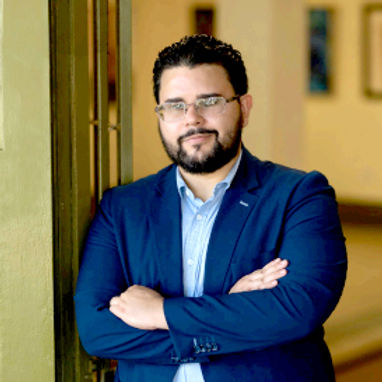
José Garcia is the general manager of Cireba Group, the master franchisee developing Teriyaki Madness in Central America.
On the restaurant front, when Cireba Group looked for an American brand to add to its portfolio, Teriyaki Madness stood out. Cireba, created 22 years ago by brothers Gerardo and José Carlos Mejia, signed a master franchise agreement to develop the fast-casual Asian concept in El Salvador, Costa Rica, Nicaragua and Guatemala. Cireba operates and franchises a brand called Buffalo Wings, with about 60 locations, and has other restaurant concepts including burger joint Santa Burguesa and Latin American cuisine-focused Caminito.
Garcia, Cireba’s general manager, said the flavors and customization options offered at Teriyaki Madness, in addition to its made-to-order approach, are differentiators in the market. The group opened its first location, in the capital of San Salvador, in May. Customers, said Garcia, have been impressed with the large portions and fresh ingredients.
“When talking to our customers, one of the things that they say is for the first time I’m not able to actually finish my bowl,” he said. “Compared to other restaurant concepts, these are big bowls, and they don’t make you feel bad after eating it.”
Salvadorans, he continued, are increasingly looking for Asian food concepts as awareness of the cuisine type grows.
“This is a flavor that people and new generations are very keen to try out and making it part of their diet on a regular basis,” he said.
Direct communication with the leadership team at Teriyaki Madness, including CEO Michael Haith, President Erin Hicks and Chief Marketing Officer Jodi Boyce, was another important factor for Cireba Group, noted Garcia. The executives are accessible, he said, and don’t look at franchise contracts simply as a means to more locations.
“They understand that there’s people behind each contract, and there’s dreams, there’s objectives, there’s goals, and they’re very flexible in a lot of ways, because they understand that in this restaurant industry, there are different factors that can make you either succeed or fail,” Garcia said.
The site selection process can be time consuming, he continued, and standing up the supply chain came with its share of challenges, such as finding a chicken supplier that met the brand’s standards. It was able to open its first Teriyaki Madness in the Metrosur mall, where it also operates its Buffalo Wings and Caminito concepts, and this fall plans to open a store in Santa Elena.

Cireba Group celebrates the first customer at its first Teriyaki Madness in El Salvador, which opened in May.
Because Teriyaki Madness is still an emerging brand—it has about 185 locations in the U.S.—it doesn’t have name recognition in El Salvador, said Garcia, which means educating consumers and investing in marketing efforts are essential. So to are consistency and ensuring the first restaurants are meeting operational standards, especially with a high volume of dine-in customers and a growing delivery business.
“Your kitchen has to be on point in order to get those orders ready in under 10 minutes,” Garcia said.
“The biggest challenge for us here to grow the brand is to make sure the standardization is there, and we deliver exceptional products every single time for people to really fall in love,” he added.
The expansion into Central America marks a renewed international push for Denver-based Teriyaki Madness, but the company’s CMO said it’s not actively looking to develop the brand in other countries.
“We’ll do it if it’s the right group,” said Boyce as she noted the brand opened units with franchisees in Canada and Mexico early on that have since closed. Those franchisees didn’t have the same established operating capabilities as Cireba Group and required much more support, which proved taxing on the corporate infrastructure.
“We’ve kind of changed our approach moving forward after going through that, and anything outside the U.S. now will be a master franchise,” she said.
Boyce said over the last 18 months the company has focused intensely on profitability for operators. While not mandatory, many restaurants are adding self-ordering kiosks, which have helped improve labor costs, and Boyce said the rollout of an inventory management, employee scheduling and sales tracking platform from Altametrics is proving impactful.
link