Mosquitoes Invade Pristine Ecosystem, Challenging Wildlife and Human Health in One of Earth’s Last Untouched Areas
| IN A NUTSHELL |
|
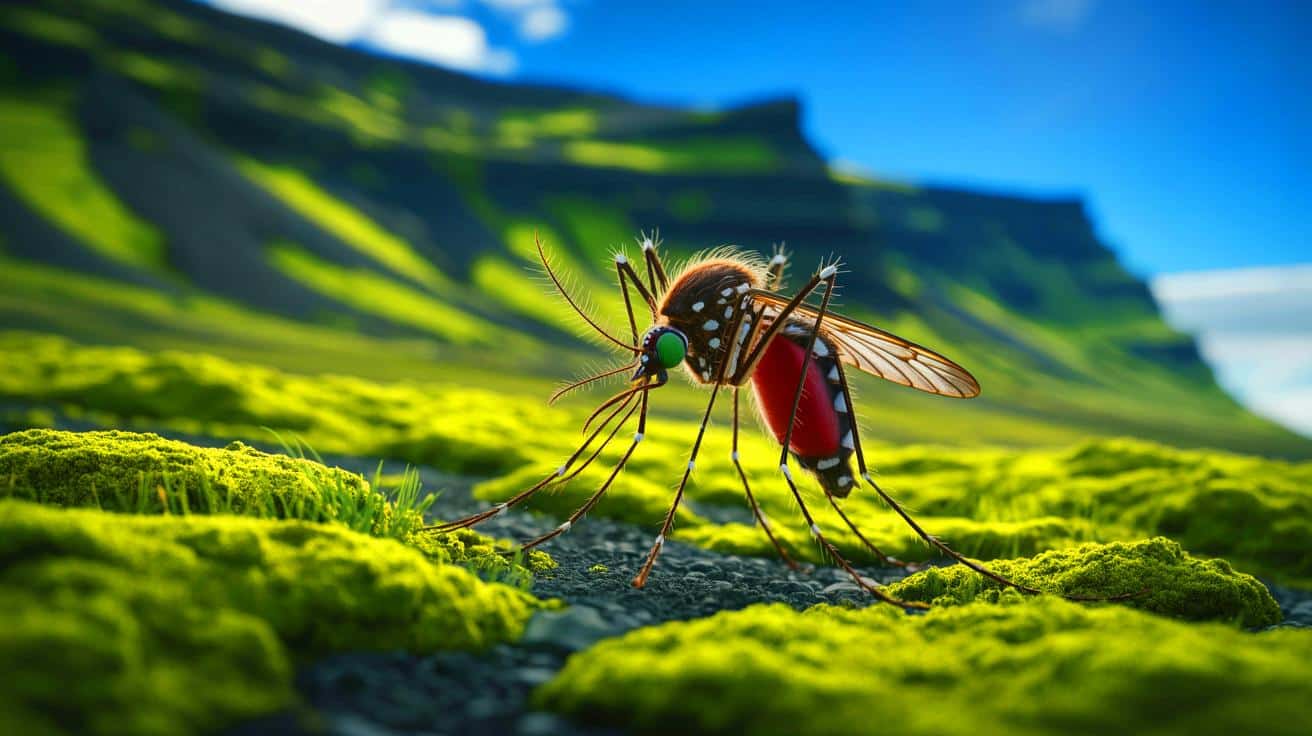
Iceland, a country long known for its lack of mosquitoes, recently recorded its first sighting of these insects. This discovery, involving the Culiseta annulata species, marks a significant shift for the island nation, which, alongside Antarctica, has been one of the few places on Earth free from mosquitoes. Entomologist Matthias Alfredsson from the Natural Science Institute of Iceland reported that three mosquitoes were found approximately 20 miles north of Reykjavik. While the presence of mosquitoes in Iceland raises questions about environmental changes and potential impacts, it also highlights the adaptability of certain species to new and challenging environments.
Mosquitoes Make Their Debut in Iceland
The recent sighting of mosquitoes in Iceland has captured the attention of scientists and locals alike. Matthias Alfredsson, an entomologist with the Natural Science Institute of Iceland, announced the discovery of three Culiseta annulata mosquitoes in the natural environment of Iceland. This species, known for its adaptability to colder climates, was found near Reykjavik, a first for the island nation. The mosquitoes were collected using a method involving sugar and heated wine, which attracts insects with a sweet tooth.
Historically, Iceland has been free from mosquitoes, sharing this unique characteristic with Antarctica. The discovery of mosquitoes in Iceland raises questions about how these insects arrived on the island. Alfredsson suspects that the mosquitoes may have traveled by boat or in shipping containers, suggesting a recent introduction rather than a gradual migration. This new presence of mosquitoes in Iceland is significant as it may signal changes in the island’s ecosystem and climate.
“They Built It Out of Mushrooms”: This Living Igloo From Germany Could Replace Concrete Homes (and It’s Already Growing)
Climate Change and Its Potential Role
Climate change has been a topic of discussion regarding the recent appearance of mosquitoes in Iceland. Rising global temperatures, extended summers, and milder winters have created more favorable conditions for mosquitoes to thrive. However, Alfredsson does not believe that the warming climate is solely responsible for the mosquitoes’ arrival in Iceland. Instead, he points out that Culiseta annulata is well adapted to survive in colder environments, withstanding harsh winters and freezing temperatures.
While climate change may not directly account for this discovery, it remains a factor in the broader context of new species emerging in unusual locations. The adaptability of Culiseta annulata to Iceland’s environment highlights the resilience of certain species in the face of changing climates. As global temperatures continue to rise, monitoring the spread and adaptation of species like mosquitoes will be crucial in understanding the long-term impacts on ecosystems worldwide.
Scientists Warn Dimming the Sun Could Cause Global Chaos, Affecting Weather and Food Supplies Worldwide
Implications for Iceland’s Ecosystem
The introduction of mosquitoes to Iceland poses potential implications for the island’s ecosystem. The presence of mosquitoes could affect both the local wildlife and human populations. Mosquitoes are known carriers of diseases such as West Nile virus and malaria, which could pose health risks if these diseases were to spread in Iceland. Although the current species detected, Culiseta annulata, is not a known vector for these diseases, the mere presence of mosquitoes may alter ecological dynamics.
Beyond health concerns, mosquitoes could impact local wildlife by competing with native species for resources. The adaptability of Culiseta annulata, which thrives in diverse breeding habitats, may allow it to establish a foothold in Iceland’s environment. This could have cascading effects on the food chain and biodiversity. Further research and monitoring will be required to assess the long-term impact of mosquitoes on Iceland’s unique ecosystem.
“It’s Burning From the Inside”: This Amazon Fire Crisis Now Emits as Much Carbon as Germany (and It’s Getting Worse Fast)
Monitoring and Future Research Needs
As Iceland navigates this new chapter in its environmental history, monitoring and research will be critical. The discovery of mosquitoes in Iceland calls for a proactive approach to understanding their potential spread and impact. Alfredsson emphasizes the need for further monitoring in the spring to determine whether the mosquitoes are establishing a permanent presence or if the current sightings are isolated incidents.
Future research should focus on the mosquitoes’ breeding patterns, survival strategies, and interactions with the local ecosystem. By studying these factors, scientists can better predict the potential impact of mosquitoes on Iceland’s environment and develop strategies to manage their presence. The situation in Iceland serves as a reminder of the broader challenges posed by climate change and species migration, highlighting the importance of vigilance and adaptability in environmental science.
The emergence of mosquitoes in Iceland presents both challenges and opportunities for scientific research. As the country grapples with this new reality, understanding how these insects adapt and thrive in such environments will be crucial. What steps should be taken to balance ecological preservation with the realities of a changing climate and species migration?
This article is based on verified sources and supported by editorial technologies.
Did you like it? 4.5/5 (22)
link