As found in an online search, “A habitat is the natural environment where a particular organism lives, encompassing all the living and nonliving factors necessary for its survival, including food, water, shelter and space.
Living (biotic), like organisms, both floral and faunal, and non-living (abiotic), like temperature and climate, are factors that promote the survival and reproduction of an organism. A habitat can range from a large area like a forest to a microhabitat like a single tree.”
To sustain any species, its distinct needs, through rigidly established ‘habitat’, must be met. Period.
Sadly, some human beings, like self-absorbed members of society’s elite, consider an opulent 6,500 square foot abode in a gated community essential shelter and “other organisms” necessary for their survival to be a butler, maid, gardener, pool man and, of course, a trophy wife or wealthy husband. While the homeless, hopeless or helpless among us live a marginal existence with many uncertainties to face.
Yet, has anyone noticed that most nature-oriented conservationists and preservationists have for many decades shouted from the rooftops; “What befalls any given species will eventually befall humankind as well!” This mourning call stems from their clear understanding that all things are woven together and dependent upon one another.
Yet “eat, drink and be merry” routinely carries far more weight than securing a wholesome tomorrow for future generations. Peculiarly, we ignore this dire warning in favor of selfish desires or instant gratification.
So, to satisfy our frivolous whims, we begin altering environments with little or no understanding of or regard for the enduring negative outcomes. Oddly, counter-productive actions by even resource stewards tasked with overseeing nature/wildlife preserves often become painful, head-banging puzzles or conundrums.
For more than 32 years, I served as an Extension
advisor and educator with Texas A&M. Over these years, I experienced well-meaning boards charged with managing property set aside for the purpose of promoting observations of, or up-close encounters with, intriguing native and migrating wildlife, ranging from birds and butterflies to bobcats and gators.
These devoted volunteer overseers frequently choose to create eye-soothing, machine-molded environments that are naively accepted as authentic ‘wildscapes’ by casual visitors to their special ’nature’ facilities.
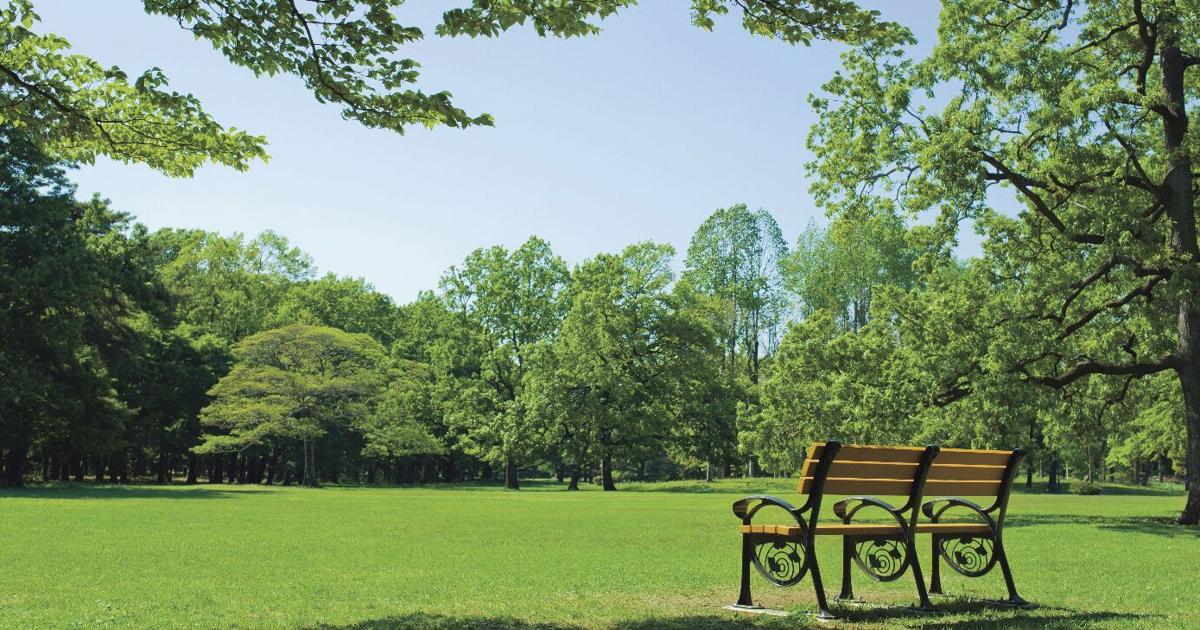
In other words, the focus steadily shifted to establishing a superbly-manicured “park” setting…versus thoughtfully managing the site in a manner which creates and/or maintains a well-balanced and functional “habitat”; that being a place that abundantly supports wildlife as welcomed attractions for guests.
Gone is that rare place in which to enjoy the beauty, solitude and wonder of wilderness and its magical beasts (i.e., commodities rapidly disappearing across the globe).
More often than not, the wild things disappear. First to go are essential plants and then the animals they supported. The animals leave due to the lack of food and/or water, or shelter or other vital elements conducive to reproduction. Vegetation that yields these environmental survival necessities is systematically eliminated because, in the board’s collective mind, it is unsightly, uninviting and overall, a vile deterrent to prosperously securing guests and patrons.
Now no waterfowl, foxes or gators guarding their young can be found. No snapping turtles or nutria mucking through the ‘weedless, treeless’ fringes of the wetlands either. No rare warbler clinging to willow branches.
In their place are ornamental plants and pleasant flower gardens lining easily walked paths, frequently mowed fields void of native grasses, severely thinned out groves of native trees, and wetland ponds cleared of all vestiges of critter-attracting riparian features. And, God forbid, playground equipment occupied by exuberant children, rudely disturbs and displaces creatures with their noisy glee. But if one is really lucky a lumbering armadillo or scurrying squirrel may dart across your path.
Those assertively seeking rewarding wildlife encounters and/or observations soon abandon facilities they once considered nurturing refuges. In silent retreat, nature lovers mourn the fact that another piece of what was supposed to be “untamed and natural” is lost – or severely degraded.
In the end, it seems things might work better for all concerned if they were more accurately billed as family-friendly botanical gardens?
Paradise is carelessly displaced. Mother Nature hangs her head and weeps with each thoughtless alteration to God’s perfection.