Roots in resilience: Re-greening Sanibel for the next 50 years


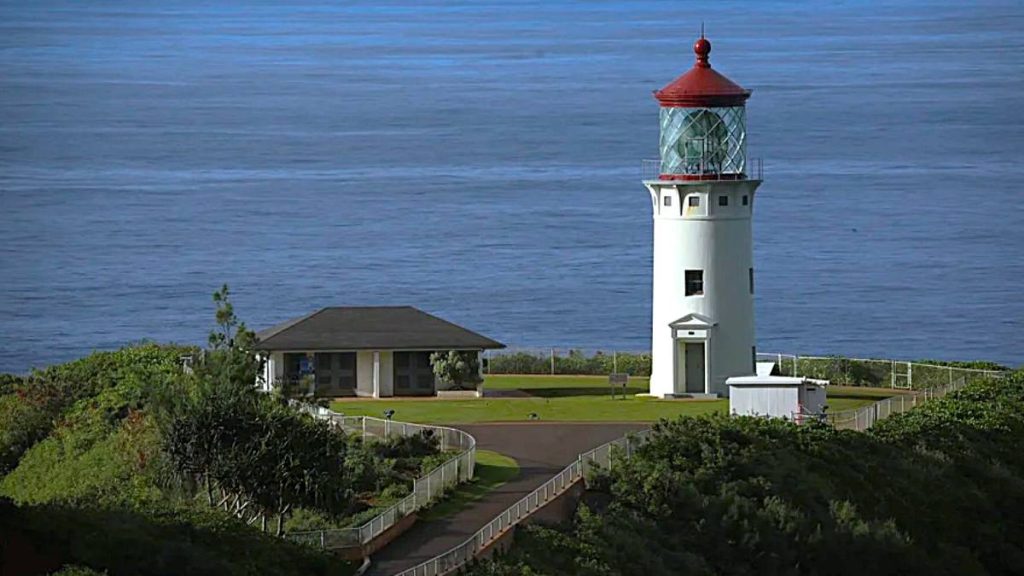
Sanibel Lighthouse. -COURTESY PHOTO
Sanibel has long understood that its natural environment is more than scenery. It shapes the island’s character, sense of place and quality of life. As the island flora continues to recover from the hurricanes of recent years, the loss of the tree canopy and vegetation along the roadways has been one of the most visible reminders of the powerful impact of those storms. Out of that reality comes “Roots in Resilience,” a new initiative designed to restore what was lost while preparing Sanibel’s public spaces for a more resilient future.
Roots in Resilience is a collaborative effort led by Sanibel citizens in partnership with the City of Sanibel, the Sanibel-Captiva Conservation Foundation (SCCF), and the Charitable Foundation of the Islands (CFI). Together, these organizations are working to revitalize key corridors and public spaces across the island, not simply by replacing trees, but by doing so thoughtfully, strategically and with long-term stewardship in mind.
The initiative’s first focus is the Causeway Boulevard Corridor, the iconic gateway that welcomes residents and visitors alike. Following the storms, this entryway suffered significant vegetation loss, altering the first impression of the island and exposing the corridor to increased heat, erosion and habitat disruption. Roots in Resilience will begin here by re-greening the corridor with native and resilient plantings that restore the lush, subtropical landscape Sanibel is known for while supporting wildlife and improving storm resilience.

Rendering of Causeway Blvd. on Sanbel from Coastal Vista Design. -COURTESY PHOTO
As Sanibel recently concluded its 50th anniversary as an incorporated city, the initiative’s first milestone is both symbolic and tangible: 50 trees for 50 years. The goal is not only to plant 50 trees this year, but to establish a sustained commitment to planting at least 50 trees annually for the next five decades. Councilmember John Henshaw, who has helped spearhead the initiative, has emphasized that this long-term approach is about restoring an experience many associate with Sanibel itself.
“For decades, people enjoyed driving, biking and walking beneath a natural tree canopy along Sanibel’s roads and shared-use paths,” Henshaw said. “Planting 50 trees each year for the next 50 years is how we reestablish that experience and ensure future generations enjoy the same sense of place that has defined the island for so long.”
What makes Roots in Resilience especially meaningful is the way it brings together public leadership, nonprofit expertise and community support. SCCF and the Natural Resources Department provide ecological guidance and appropriate species selection. The City oversees installation and long-term maintenance, and CFI manages donated funds to ensure transparency and alignment with donor intent. This partnership model allows the initiative to move forward responsibly while remaining adaptable as conditions and needs evolve. Fundraising is now underway to launch the initial phase and to ensure the effort can grow beyond the Causeway to other corridors and public spaces throughout Sanibel.
Roots in Resilience is not simply a landscaping project. It reflects Sanibel’s long-standing commitment to environmental stewardship, collaboration and thoughtful planning. This initiative reaffirms what makes Sanibel unique and helps ensure the island remains green, welcoming and resilient for the next 50 years and beyond.

Roots in Resilience. -COURTESY PHOTO
link