Symposium explores ancient spiritual traditions of Lepcha Mun and Bong
Wednesday, Aug 06, 2025 22:00 [IST]
Last Update: Tuesday, Aug 05, 2025 16:21 [IST]
Symposium explores ancient spiritual traditions of Lepcha Mun and Bongthing
KUNAL RAI
GANGTOK, : The Department of Culture, Government of Sikkim, in collaboration
with Renjyong Mutanchi Ringmom Kurmom (RMRK), organised a daylong symposium
titled ‘Lepcha Mun and Bongthing: Tracing Their Ancient Spiritual Routes’ as
part of the Tendong Lho Rum Faat Celebration 2025. The event was held on
Tuesday at the RMRK conference hall in Development Area, Gangtok.
The symposium
was graced by Forest minister Pintso Namgyal Lepcha as the chief guest. Other
dignitaries in attendance included RMRK president OT Lepcha, Chief Minister’s advisor
Kunga Nima Lepcha, RMRT president Chewang Norbu Lepcha, Culture secretary BK
Lama, and SLYA president OT Lepcha, among others.
Speaking
to the media, RMRK president OT Lepcha emphasized that the spiritual and
cultural life of the Lepcha community has, for centuries, revolved around the
traditional practices of Mun and Bongthing-the revered Lepcha spiritual healers
and priests. These figures have been vital custodians of rituals, oral
traditions, healing practices, and indigenous ecological knowledge. Central to
their role is the maintenance of harmony between people, nature, and the
spiritual world.
However,
OT Lepcha also expressed concern about the declining number of active Mun and
Bongthing practitioners in recent decades. He attributed this trend to
modernization, urbanization, and the influence of contemporary education, which
have shifted community perspectives away from traditional beliefs. Despite
these changes, he asserted that the significance and wisdom of Mun and
Bongthing traditions remain deeply relevant.
Rooted
in nature and spirituality, the Lepcha belief system sees the divine in natural
elements such as rivers, mountains, trees, rocks, and storms. The Mun and
Bongthing act as intermediaries who maintain sacred relationships with these
forces, ensuring balance and wellbeing in the community.
The
symposium, jointly organized by the Culture department and the Tendong Lho Rum
Faat Celebration Committee 2025, aimed to explore the spiritual, ecological,
and cultural roles of these practitioners – not merely as religious leaders but
as environmental custodians, healers, and cultural historians.
Historically,
no Lepcha ritual – whether related to birth, marriage, harvest, or ancestral
remembrance – was considered complete without the presence of a Mun or
Bongthing. They possess deep knowledge of herbal medicine, spiritual cleansing,
and traditional conflict resolution methods, all of which continue to hold
relevance today.
The
symposium served multiple purposes including revisiting the heritage and
spiritual roles of Mun and Bongthing; to create awareness among younger
generations; to promote cultural pride and intergenerational dialogue; and to
encourage research, documentation, and preservation of oral traditions and
ecological knowledge.
The
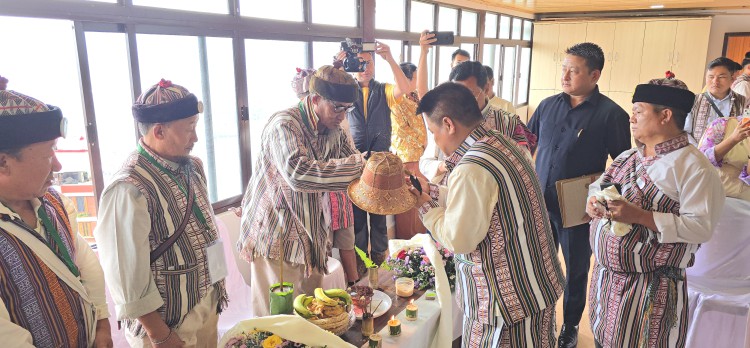
event also included participation from practicing Mun and Bongthings from
across the State, alongside civil society representatives and officials from
the Culture department.
Organisers
shared that under the leadership of Chief Minister Prem Singh Tamang (Golay), the
traditional faith healers of all the communities of Sikkim are being preserved
and promoted to establish recognition and documentation of the vast knowledge
they hold.
As
part of this initiative, symposiums like this are being organised to document
and celebrate the knowledge these practitioners possess. Identity cards and
certificates were also distributed as a gesture of recognition and
appreciation.
The
symposium was a key highlight of the Tendong Lho Rum Faat 2025 celebrations,
which include a series of programs such as knowledge-sharing sessions, cultural
competitions, and other activities designed to celebrate and preserve Lepcha
heritage.
link