$1.6M to fund international study on built environment, malaria
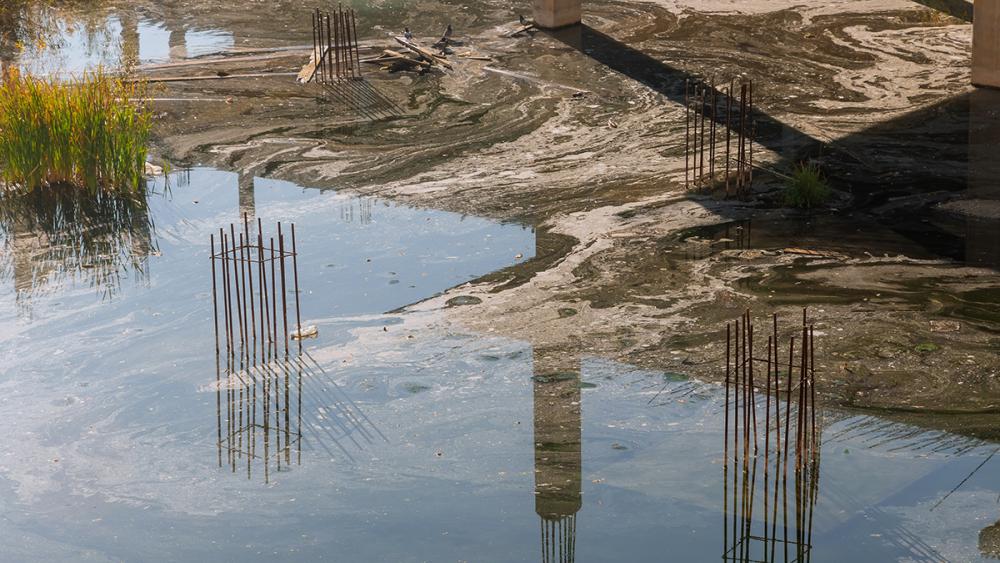
By working with local partners who understand cultural context and on-the-ground realities, the research team aims to ensure its findings are both scientifically rigorous and practically relevant.
“If this project is successful, malaria prevention will become a routine consideration in building sector decisions, from site selection and building design to construction and operation,” Obonyo said.
The project places particular emphasis on the informal housing sector, often referred to as “Jua Kali” in East Africa, where cost-effective building solutions can reach large populations quickly. Obonyo said success would mean affordable malaria-preventive building components being distributed through informal markets.
Beyond physical design solutions, the project also focuses on capacity building. Bernadette Woods Placky, a Penn State alumna, meteorologist and science communication expert, will co-lead translation findings for journalists and public audiences, while professional organizations will integrate results into continuing education programs.
Looking ahead, Obonyo said the scale of global construction remains a pressing concern. According to Architecture 2030, the world is constructing the equivalent of New York City in new floor area every month, much of it in malaria-prone, global south regions.
“How do we move from successful pilot projects to solutions that reach the more than one billion people who are still inadequately housed?” she said. “This project is about translating evidence into policy and practice at the scale the moment demands.”
Other project partner organizations are Ardhi University, Tanzania; Instituto Superior de Ciência e Tecnologia de Moçambique, ISCTEM, Mozambique; Roll Back Malaria’s Multisectoral Working Group; Malaria Consortium; Global Council for Science and the Environment; Climate Central; Fundación Panameña de Turismo Sostenible, APTSO, Panama; Nigerian Medical Research Institute; Kenya Medical Research Institute; the Architectural Association of Kenya; and Ad Visions, Kenya.
The Belmont Forum is an international partnership of funding agencies that supports global environmental change research through transdisciplinary collaboration and stakeholder engagement. The U.S. National Science Foundation is an independent federal agency that supports science and engineering in all 50 states and U.S. territories. The UK Research and Innovation is a non-departmental public body sponsored by the Department for Science, Innovation and Technology with NERC as the driving force of investment in environmental science.
link