Ama Kitchen carries on a legacy of South Asian cuisine in Madison | MADISON MAGAZINE
Ama Kitchen came about by chance. In 2019, when Rajan Pradhan closed his Atwood Avenue restaurant, Dobhan, he and longtime friend Scott Ehrlinger planned to travel to Nepal and step back from the food world. Ultimately, the pandemic halted their travel plans, but the break from operating a restaurant stuck — at least for a while.
Things changed in 2021 when Pradhan discovered a building on Williamson Street. It was set back on a long, slanted driveway, and it wasn’t developed or even for sale at the time. When another group’s plans to turn the building into a restaurant fell through, the friends-turned-business partners found an opportunity to transform the boarded-up space into a culinary destination.
The result is a restaurant that feels right at home in the vibrant, food-focused Marquette neighborhood. “I find comfort here on the east side,” says Pradhan. “The neighborhood is both considerate and picky in its own way, but it’s a very close-knit neighborhood.”
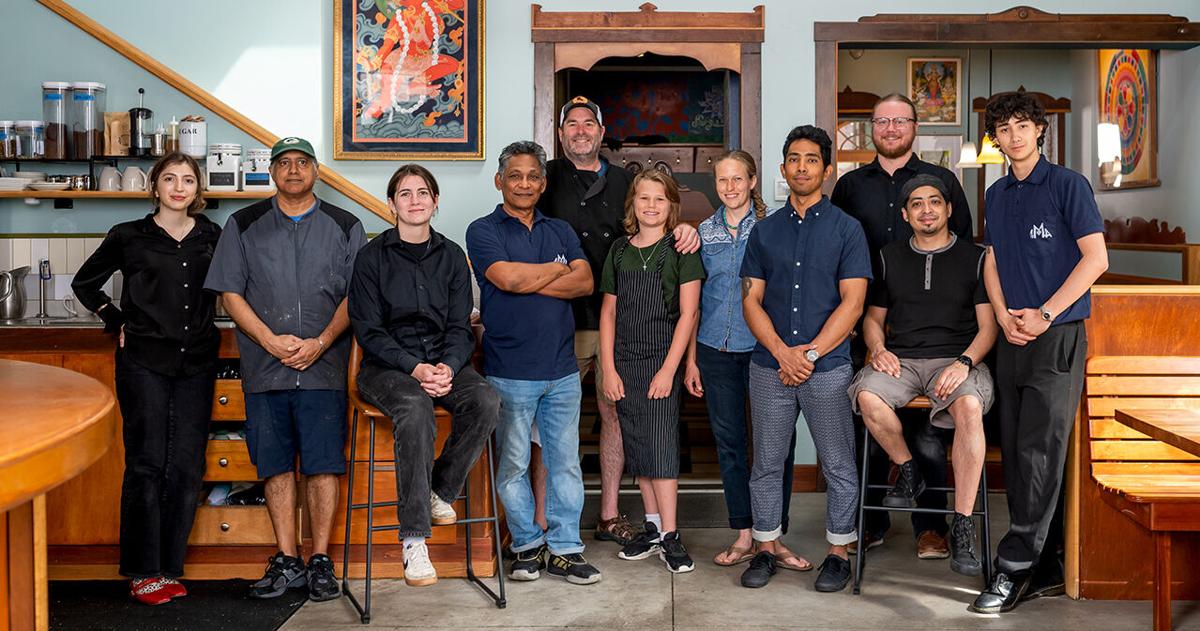
The homey vibes flow into every aspect of Ama Kitchen — from the reclaimed and recycled decor to the employees and customers who are linked back to Dobhan. “We have kids that are working here now that were babies when their parents brought them to Dobhan,” Ehrlinger says.
The food blends past and present, too. Pulling from previous menus and the Madison community, Nepali dishes are infused with American touches characterized by farm-fresh produce and locally sourced ingredients. Like the physical space Ama Kitchen calls home, the menu is an amalgamation of then and now, creating something entirely new.
Ama Kitchen | 809 Williamson St. | amakitchenmadison.com
Featured Dish | Seasonal Momos
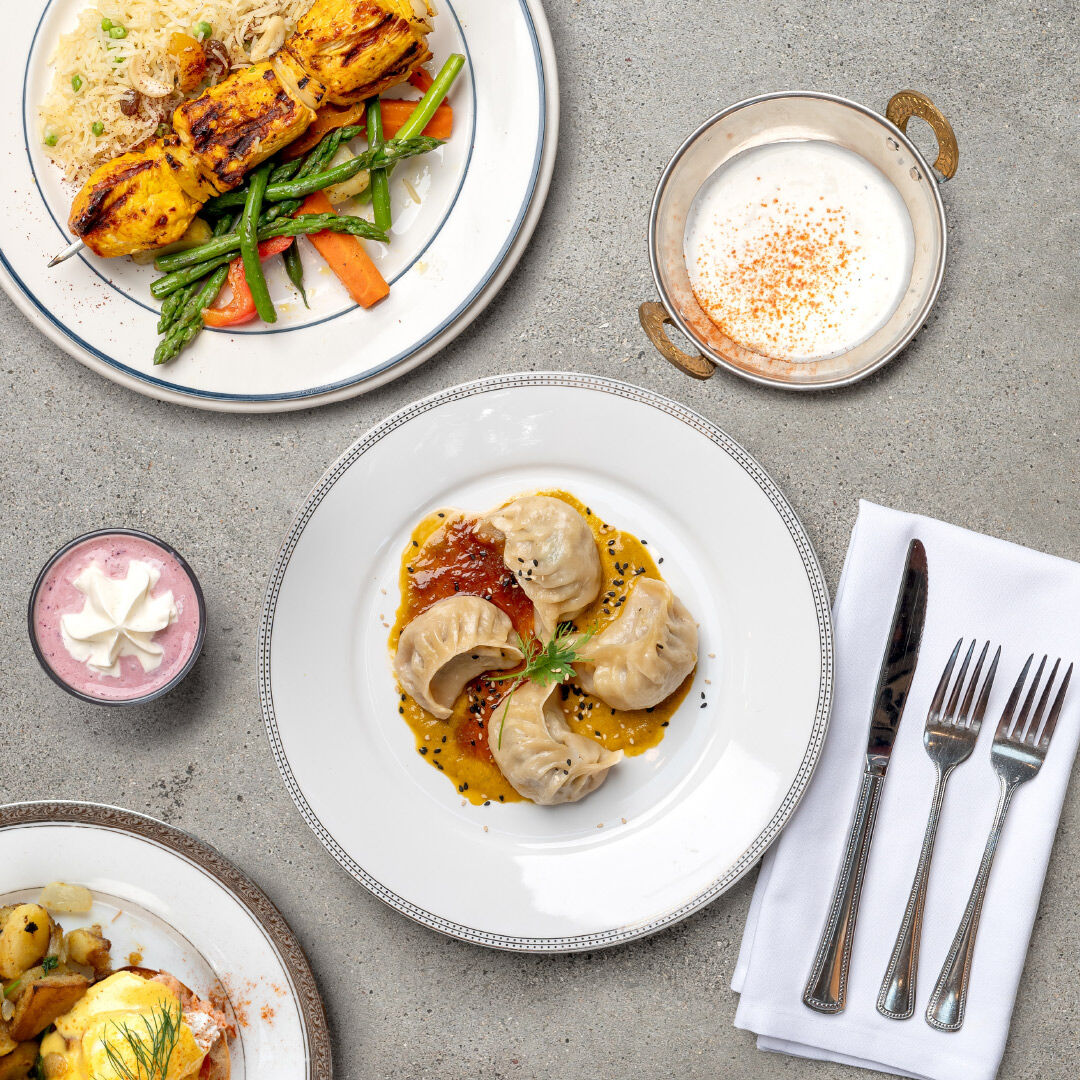
Certain Nepali dishes, like bhat tarkari — a vegetable stew with rice — are staples on Ama Kitchen’s menu, but much of what comes from the kitchen is based on readily available ingredients. “The farther things have to travel, [the] more energy is required, and it can become wasteful,” explains Scott Ehrlinger. Ama Kitchen’s momos (pictured center in the photo above) — traditional Nepali dumplings — reflect the flexible nature of the menu, featuring fillings ranging from chicken to bison with bone marrow. “Every culture has their version of the dumpling,” says Ehrlinger. “The Chinese have potstickers, Italians have ravioli, Russians do pierogi and the Nepali have momos.”
Culinary World Tour | Ama Kitchen’s Brunch
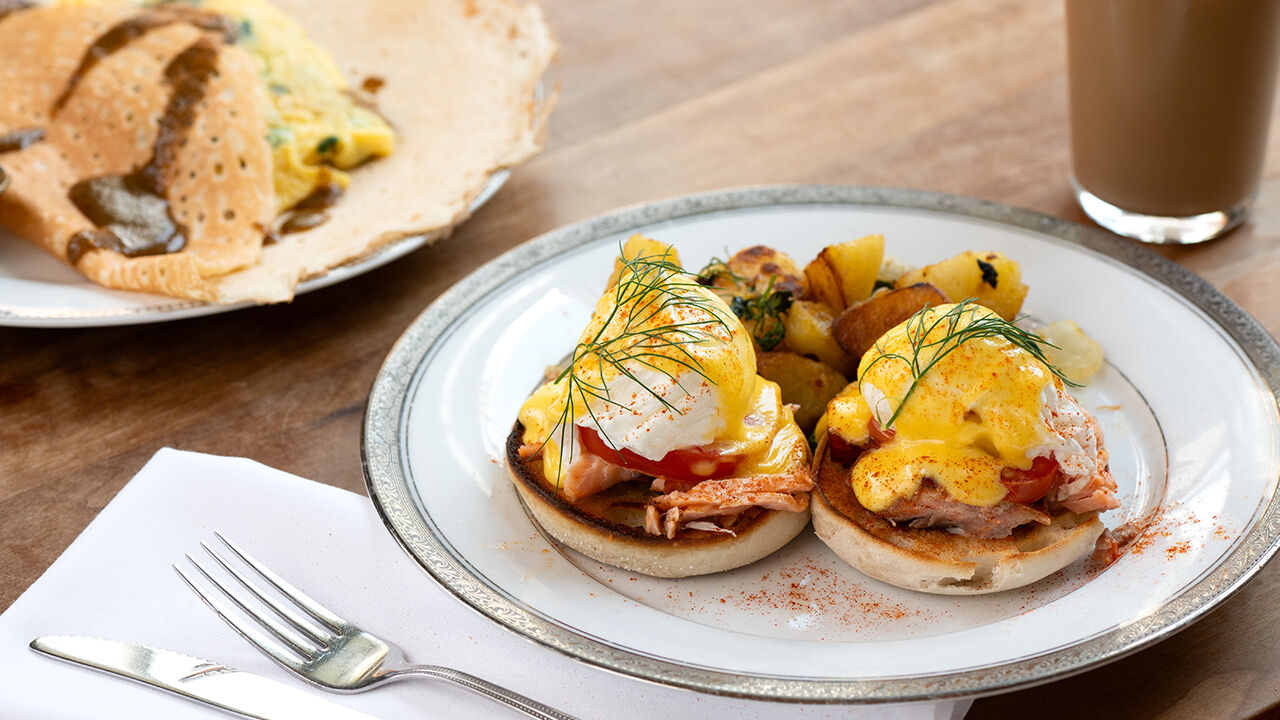

Ama Kitchen’s primary focus is dinner but, just like Dobhan, Ama offers a brunch that’s a local hidden gem. American classics, including eggs Benedict and a scrambler, share the menu with Mexican-inspired huevos rancheros and Nepali phull dosa, which is a rice crepe served with eggs, spinach and cheese. “I like brunch,” says Rajan Pradhan. “It’s stuff we do really well,” adds Ehrlinger. Like the rest of its menu, Ama’s brunch offering is a small yet diverse selection.
Puzzle Pieces | Elements of the Space
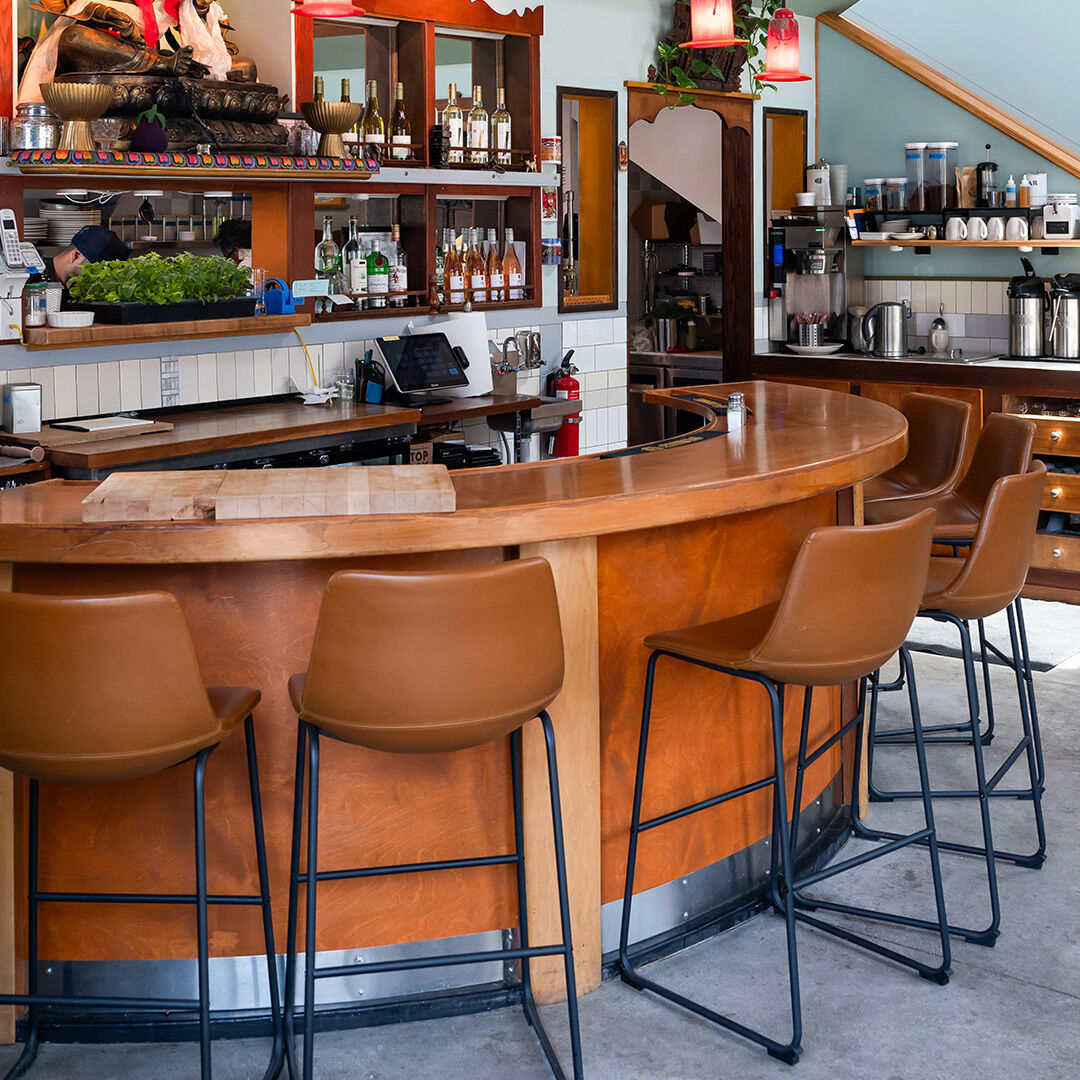
Just about everything you see inside Ama Kitchen is living its second or third life. Thick wood beams on the second floor came from a nearly 150-year-old barn on Ehrlinger’s farm. The curved bar that separates the kitchen from the entry area came from Chautara, a former State Street restaurant of Pradhan’s that closed in 2013. Booths and other seating options are from Dobhan’s dining room, which makes Ama Kitchen a pieced-together puzzle of past Madison establishments. Before following in the path of his parents — who opened Madison’s first Nepali restaurant in the 1980s — Pradhan studied art at the University of Wisconsin–Madison with the goal of becoming a teacher. Some of Pradhan’s personal art collection graces the walls of Ama Kitchen, reflecting his creative eye.
Seasonal Ingredients | Local Farms and Grocers
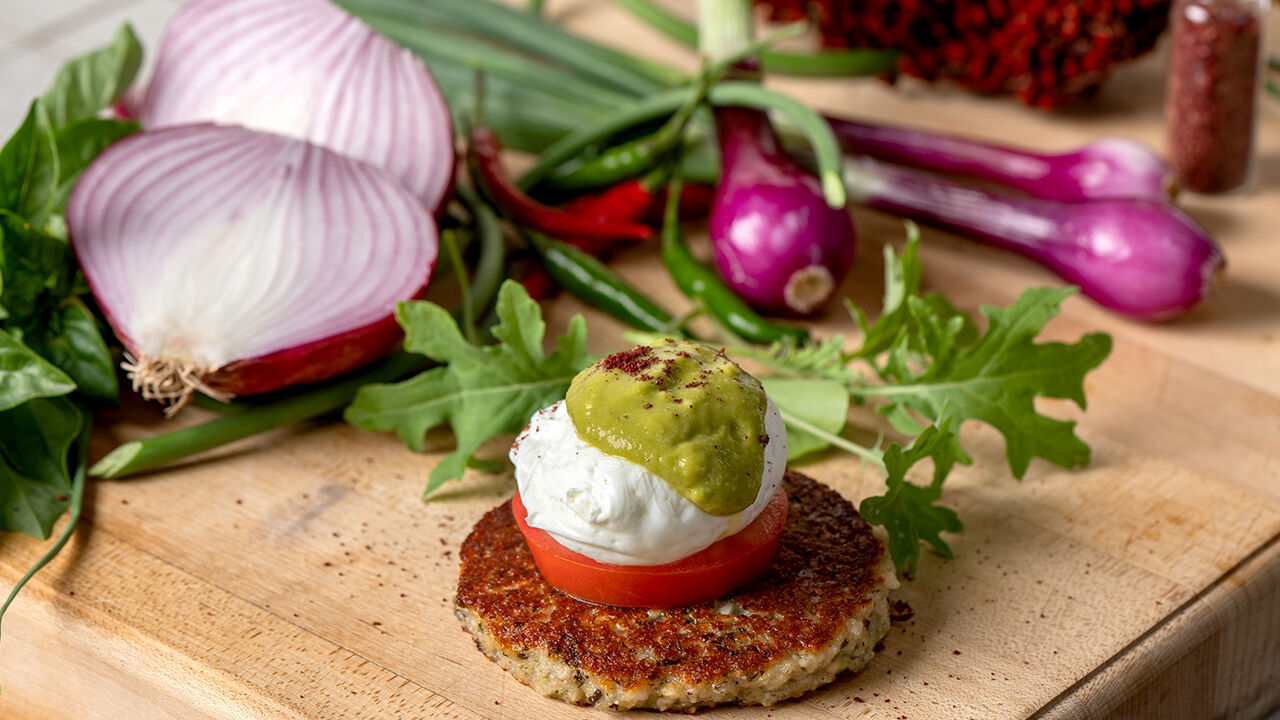
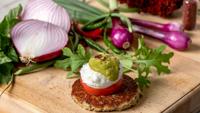
Ama Kitchen sources ingredients locally from a variety of vendors. Ehrlinger runs a 1,200-acre farm that supplies the restaurant with produce, and Ama buys eggs from another nearby farm in Hanover, Wisconsin. In the summer, garden beds at the restaurant supply vegetables and herbs, while farmers’ market finds supplement its offerings. Willy Street Co-op and Jenifer Street Market are two of Ama Kitchen’s primary ingredient sources. For Pradhan, understanding ingredients is key. “Learning the health benefits of the spices we use is important,” he notes.
Subtle Fusion
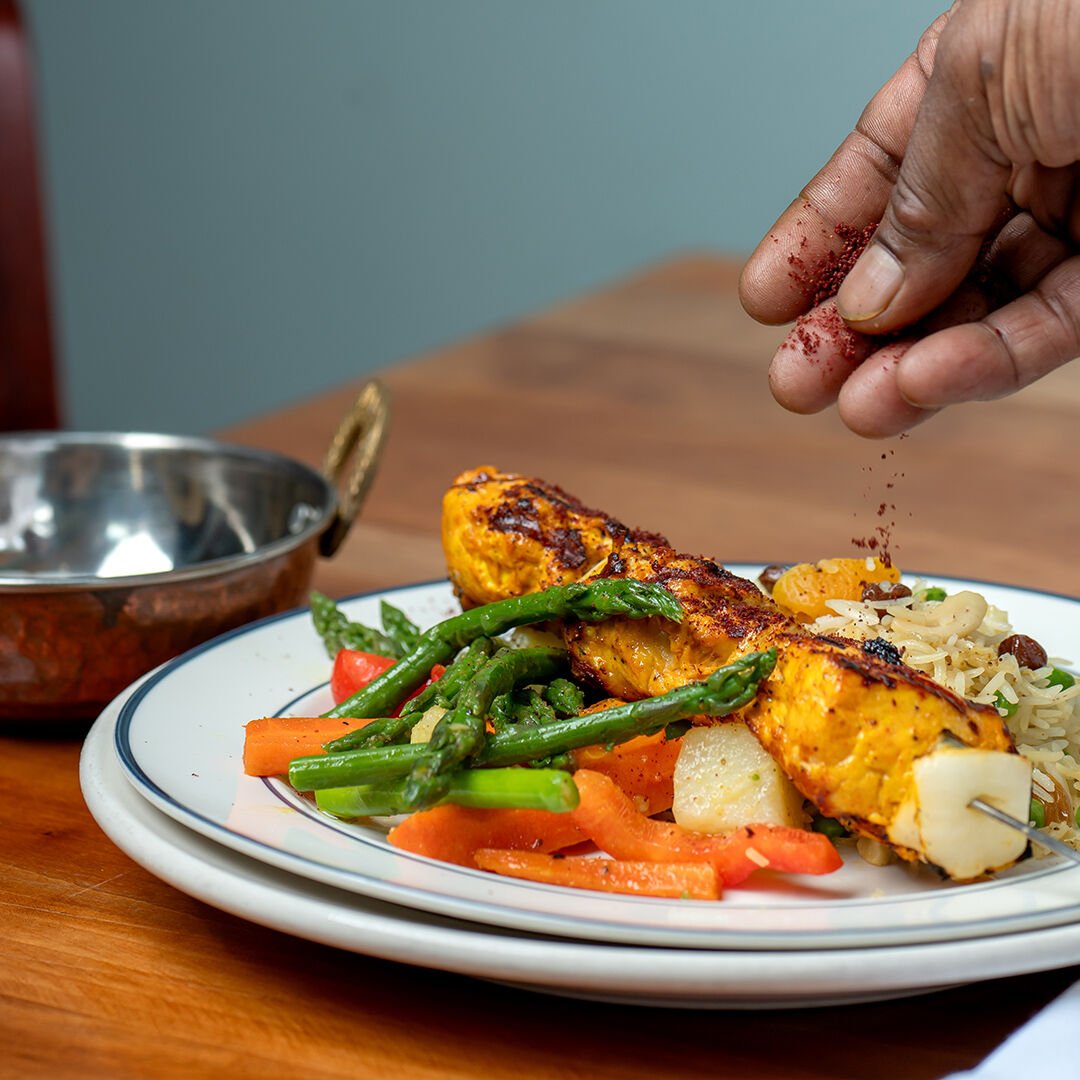
Across the dinner and brunch menus at Ama Kitchen, culinary cultures mix. While the base of Ama’s food is Nepali, what comes into play are the spices, ingredients and cooking techniques from American, Pakistani, Mexican and other cuisines. All of these flavors are rooted in Wisconsin with the menu’s local sourcing. For instance, sumac — a spice common in Middle Eastern cuisine — comes to Ama’s kitchen from Ehrlinger’s farm.
Sam Zwick is a contributing writer to Madison Magazine.
COPYRIGHT 2025 BY MADISON MAGAZINE. ALL RIGHTS RESERVED. THIS MATERIAL MAY NOT BE PUBLISHED, BROADCAST, REWRITTEN OR REDISTRIBUTED.

link